
What Your Sleeping Position Reveals About Your Personality: 6 Profiles Decoded
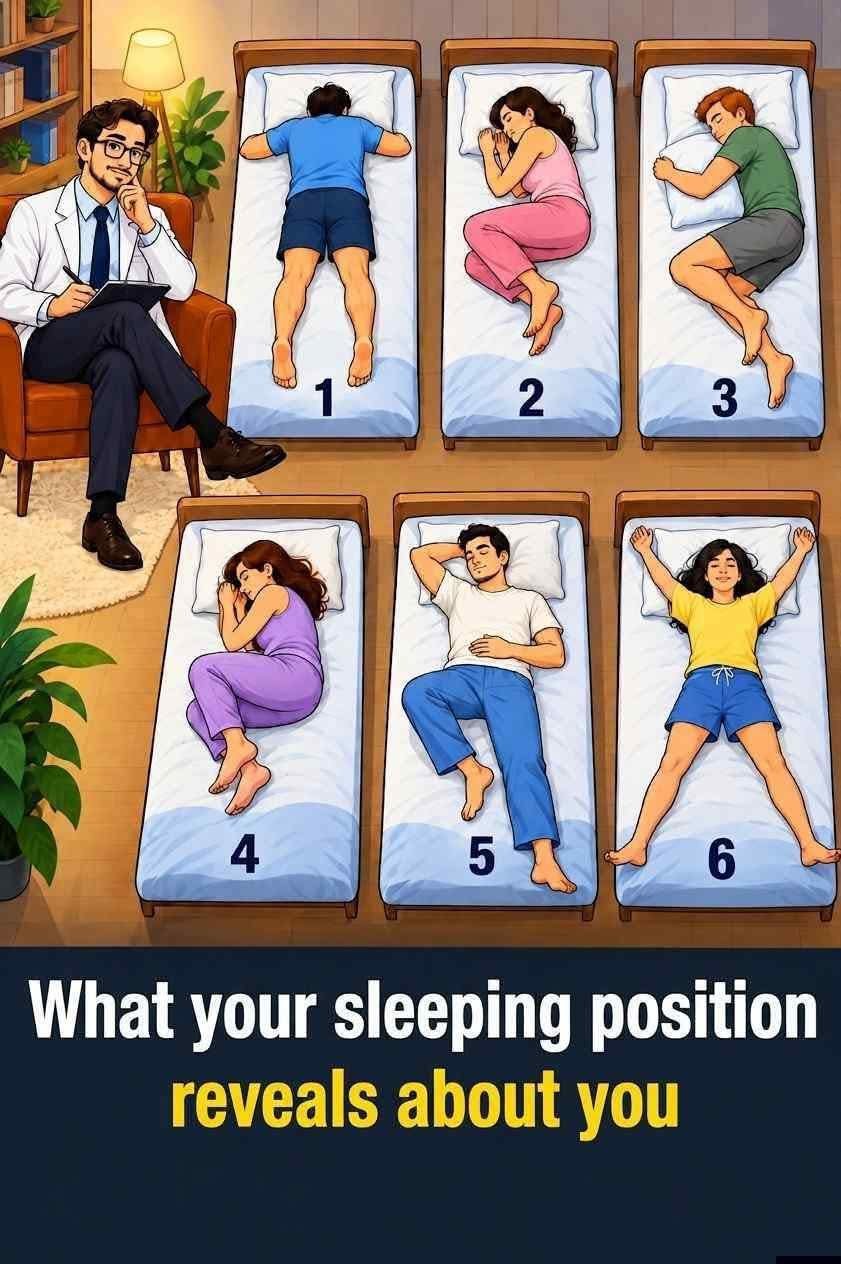
Sleep is essential for our well-being and quality of life. Yet, did you know that the way you sleep can reveal hidden aspects of your personality? Understanding your sleeping position can provide insights into your traits, tendencies, and even your responses to life’s challenges. In this article, we will explore six common sleeping positions and uncover what they suggest about your personality.
1. The Back Sleeper: Confidence and Stability
People who sleep on their backs are often regarded as confident and secure individuals. This position indicates a sense of peace and stability. Back sleepers tend to be good decision-makers, showcasing a level of self-assuredness that enables them to face challenges head-on.
Additionally, back sleepers value comfort and support, indicating they may possess strong values and principles. However, they might also be perceived as somewhat self-involved as they often prioritize their needs and comfort.
Benefits
– Reduces back and neck pain
– Encourages proper spinal alignment
– Lessens the likelihood of acid reflux
Keywords: Back sleeper, confidence, stability, self-assuredness
2. The Side Sleeper: Adaptability and Creativity
Those who favor sleeping on their sides exhibit adaptability and open-mindedness. Side sleepers are known for being friendly, compassionate, and empathetic. They often connect deeply with others, making them excellent friends and partners.
Moreover, side sleepers tend to be creative individuals who think outside the box. They possess a profound understanding of human emotion, which aids in their creativity and problem-solving abilities.
Benefits
– Reduces snoring
– Tends to alleviate pressure on joints
– May enhance digestion
Keywords: Side sleeper, empathy, creativity, adaptability
3. The Stomach Sleeper: Avoidance and Anxiety
Stomach sleepers may reveal a host of emotional characteristics. This position can indicate a tendency to avoid confrontations and a certain level of anxiety. These individuals often seek to please others, sometimes at the expense of their own comfort.
While stomach sleeping may provide a sense of closeness, it can also be indicative of a constant need for control or fear of vulnerability. The act of sleeping on one’s stomach may suggest an individual’s desire to shield themselves from emotional stress.
Benefits
– Minimizes snoring for some individuals
– Provides a sense of grounding and comfort
Drawbacks
– Can cause neck and back pain
– May lead to long-term spinal issues
Keywords: Stomach sleeper, anxiety, avoidance, emotional stress
4. The Fetal Position: Sensitivity and Toughness
Sleeping in a fetal position is one of the most common positions and reflects a combination of sensitivity and toughness. People who curl up while sleeping often appear self-protective and may have faced challenges in their lives.
Fetal position sleepers are typically sensitive to their surroundings and emotionally attuned, which means they can easily empathize with others. However, they may also harbor insecurities and require assurance from the people around them.
Benefits
– Offers comfort and emotional protection
– Can ease muscle tension in the back
Keywords: Fetal position sleeper, sensitivity, emotional protection, insecurity
5. The Freefall Position: Boldness and Openness
Those who sleep in a freefall position, lying on their stomach with arms wrapped around a pillow, are often creative and energetic individuals. They possess a bold personality and enjoy taking risks. These people are typically outgoing and social, making them the center of attention in social situations.
However, the freefall position can also indicate a certain level of stress or anxiety, as these individuals often seek to keep everything under control. They are known for being somewhat defensive and may struggle with the concept of vulnerability.
Benefits
– Allows for a comfortable yet protective sleeping arrangement
Drawbacks
– Can contribute to back pain or discomfort
– May indicate higher levels of anxiety
Keywords: Freefall position, boldness, risk-taker, anxiety
6. The Starfish Position: Support-Seeking and Warmth
Individuals who sleep in a starfish position (lying on their back with arms and legs sprawled out) are often designated as generous, supportive friends. They are the ones who thrive in groups and enjoy being helpful, often assuming a nurturing role in relationships.
Starfish sleepers value security and trust, which is critical in forming their connections with others. While they are typically laid-back and easygoing, they might also struggle with commitment as they navigate their desire for individuality.
Benefits
– Promotes maximum relaxation
– Reduces the risk of back pain
Keywords: Starfish position, generosity, support-seeking, trust
Conclusion
Understanding your sleeping position can offer exciting insights into your personality traits and emotional depth. Whether you’re a confident back sleeper or an adaptable side sleeper, embracing and learning from your sleeping habits can lead to personal growth and deeper self-awareness.
Recognizing these characteristics can enhance not only your sleep quality but also your interpersonal relationships. By understanding yourself better, you pave the way for transformational changes, ensuring that you sleep not only soundly but also meaningfully.
By analyzing your sleeping position, you can gain valuable insights into how to align your lifestyle and choices more closely with your innate characteristics. Embrace this knowledge, and enhance your sleeping experience today!