
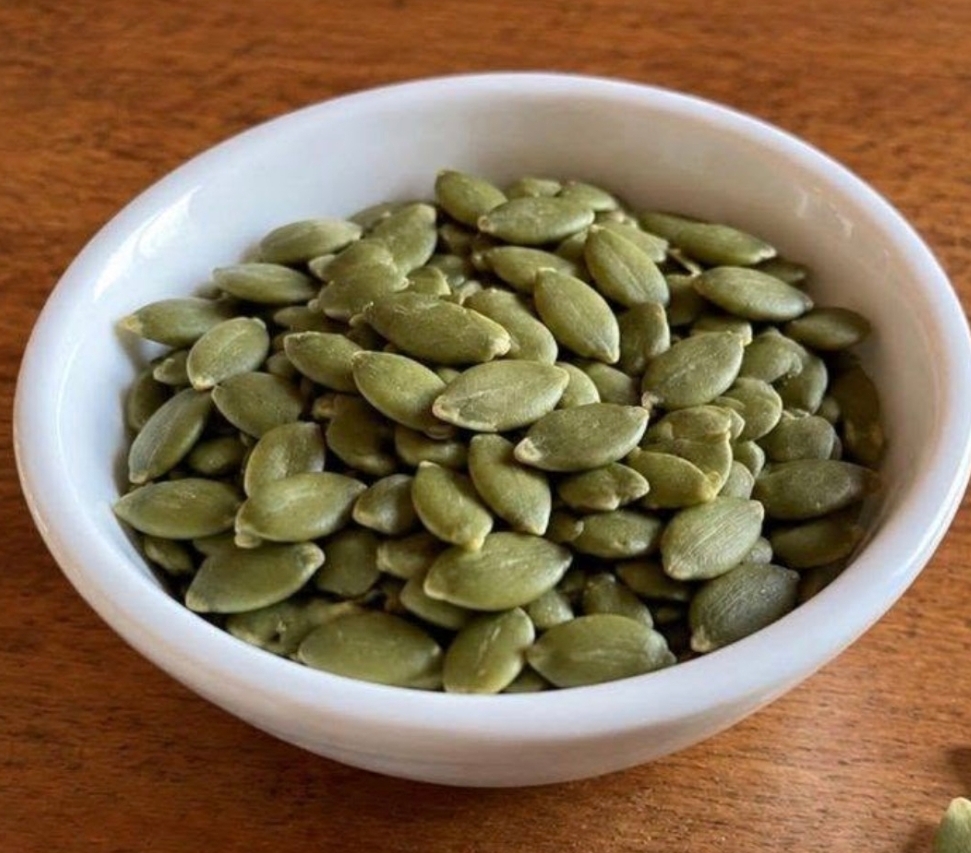
Seeds are often discarded, even though in most cases they are among the most nutritious parts of fruits and vegetables. Below, we list a number of seeds that offer significant health benefits and explain how they can be used.
Pumpkin seeds and cholesterol. According to a recent study, a daily intake of 70 grams of pumpkin seeds can lower cholesterol levels by 10% in one month. These seeds are rich in phytosterols—substances that inhibit fat absorption and stimulate the liver to maintain healthy cholesterol levels.
Sunflower seeds and high blood pressure. According to an American study, a daily intake of 40 grams can lower blood pressure by 4–6%. During digestion, sunflower seeds release substances that cause blood vessels to relax and improve blood circulation.
Flaxseeds and stress. A British study shows that two tablespoons of flaxseeds a day can improve mood and reduce stress. These seeds contain healthy fats that the brain uses
to produce serotonin, the so-called happiness hormone.
Coriander seeds and sugar. Chewing a
Half a tablespoon of coriander seeds after a meal can help keep blood sugar levels under control. They are rich in plant-based acids that help muscles burn sugar to produce energy.