
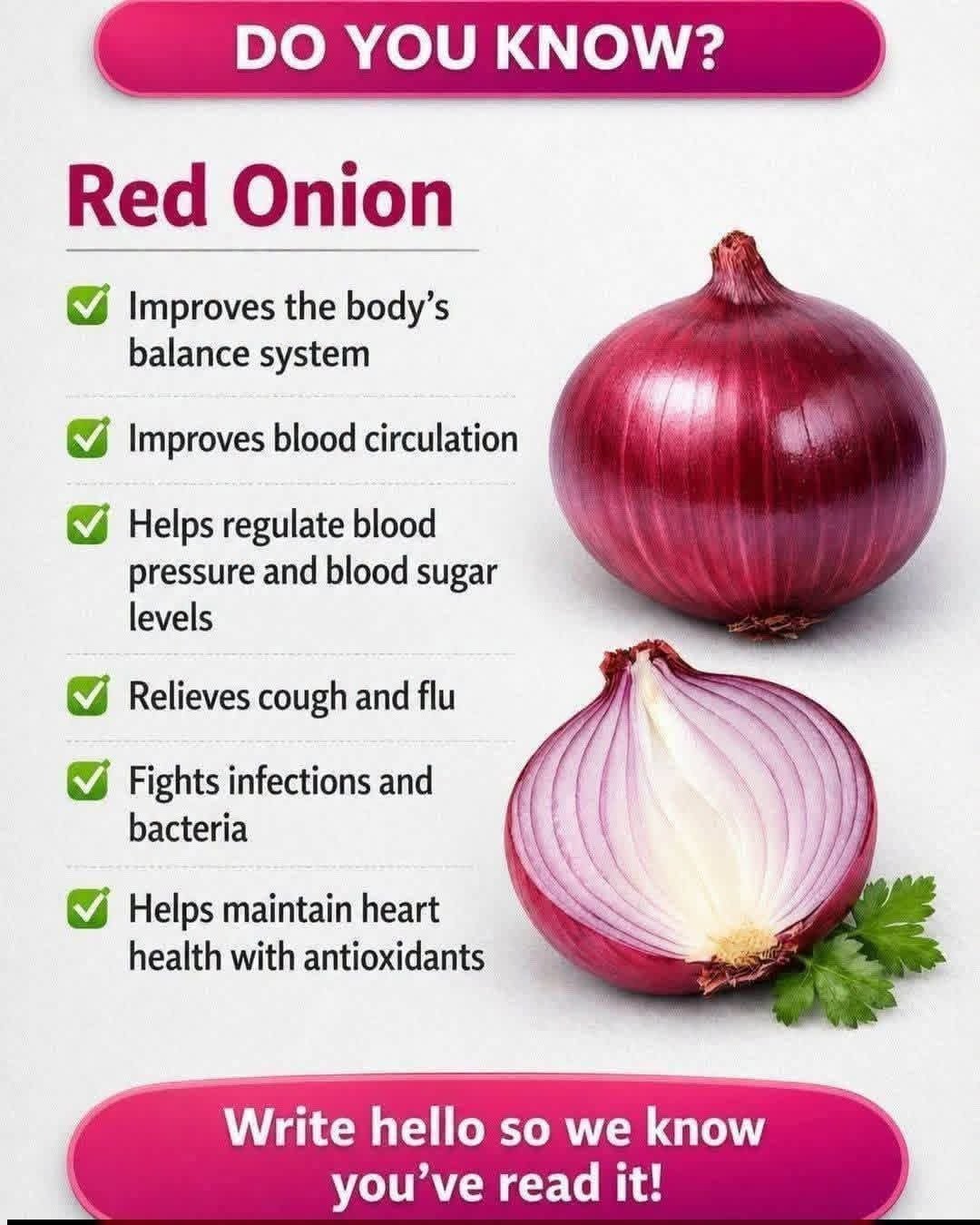
The Powerful Health Benefits of Onions
Onions are more than just a staple ingredient in many cuisines; they offer a host of health benefits that have made them a powerful addition to diets worldwide. Packed with nutrients and antioxidants, onions are known for their anti-inflammatory, antibacterial, and antiviral properties. In this article, we’ll explore the numerous health benefits of onions, their nutritional composition, and how you can incorporate them into your meals for maximum advantage.
Nutritional Composition of Onions
Onions are low in calories but rich in vitamins and minerals. A medium-sized onion contains approximately:
– Calories: 44
– Carbohydrates: 10 g
– Fiber: 1.9 g
– Vitamin C: 7% of the Daily Value (DV)
– Vitamin B6: 5% of the DV
– Manganese: 4% of the DV
– Folate: 3% of the DV
Besides these nutrients, onions are also rich in sulfur compounds and flavonoids, particularly quercetin, which are responsible for many of their health benefits.
1. Antioxidant Properties
Onions are loaded with antioxidants, which help combat oxidative stress in the body. The presence of quercetin not only fights free radicals but also reduces inflammation. This can be particularly beneficial in reducing the risk of chronic diseases, including heart disease and certain cancers.
2. Heart Health Improvement
Regular consumption of onions may contribute to better heart health due to their ability to lower cholesterol levels and blood pressure. The sulfur compounds in onions help decrease the risk of blood clot formation, further benefiting cardiovascular health. Studies have shown that participants who regularly consume onions have a significantly lower risk of heart attack.
3. Blood Sugar Regulation
Onions may help in managing blood sugar levels, making them a valuable addition to a diabetic’s diet. The sulfur compounds and quercetin found in onions can improve insulin sensitivity, thus aiding in blood sugar regulation. Including onions in meals can also slow down glucose absorption after meals, resulting in more stable blood sugar levels.
4. Angiogenesis and Cancer Prevention
Angiogenesis is the process of new blood vessel formation, which can contribute to cancer growth. Onions may inhibit this process, thus potentially preventing the spread of cancer cells. Research indicates that people who consume onions and garlic are less likely to develop certain types of cancers, including stomach and colorectal cancers.
5. Immune System Support
Onions play a great role in boosting the immune system due to their rich array of antioxidants, vitamins, and minerals. The vitamin C in onions helps the body fight off infections while the anti-inflammatory properties can reduce the severity of diseases. Regular intake can contribute to overall improved immunity.
6. Bone Health
Another impressive health benefit of onions is their positive effect on bone density. Research has suggested that onions may increase bone mineral density and help prevent osteoporosis, especially in older adults. The beneficial compounds in onions can stimulate osteoblasts, which are the cells responsible for bone formation.
7. Digestive Health
As a good source of fiber, onions can promote healthy digestion. The fiber content in onions supports the growth of beneficial gut bacteria, which improves gut health. Furthermore, the prebiotic properties of onions help support overall digestive health by enhancing nutrient absorption and regular bowel movements.
8. Skin Health
Onions can also contribute positively to your skin health. The antioxidants present can help reduce skin inflammation and protect against age-related skin damage. Applying onion juice on the skin is believed by some to promote hair growth and treat conditions like dandruff.
How to Incorporate Onions Into Your Diet
To maximize the health benefits of onions, consider the following tips for incorporating them into your diet:
– Raw in Salads: Use fresh onions in salads. Red onions have a milder flavor and are perfect for salads or sandwiches.
– Caramelized: Sauté onions to add sweetness to dishes. Caramelized onions can enhance the flavor of burgers, steaks, and sandwiches.
– Soups and Stews: Add onions at the beginning of cooking to create a flavorful base for soups, stews, and casseroles.
– Grilled: Grilling onions can bring out their natural sweetness, making them a delightful side dish or topping for grilled meats.
– Juicing: For a concentrated health boost, consider juicing onions. However, due to their potent flavor, combine them with other juices like carrot or apple.
Potential Side Effects and Precautions
While onions are generally safe for most individuals, consuming them in large quantities can cause digestive upset, heartburn, or allergic reactions in some people. It’s advisable to limit intake if you experience any discomfort. Moreover, people on anticoagulant medication should consult a doctor as onions can increase the risk of bleeding due to their blood-thinning properties.
Conclusion
Onions are a versatile and powerful food that offers a range of health benefits, from promoting heart health to aiding digestion and boosting immunity. Enriching your diet with onions can lead to improved overall wellness. Whether you enjoy them raw, cooked, or juiced, the advantages of incorporating onions into your daily meals are undeniable. Start small; add them to your diet today and enjoy their flavorful and health-boosting properties.