
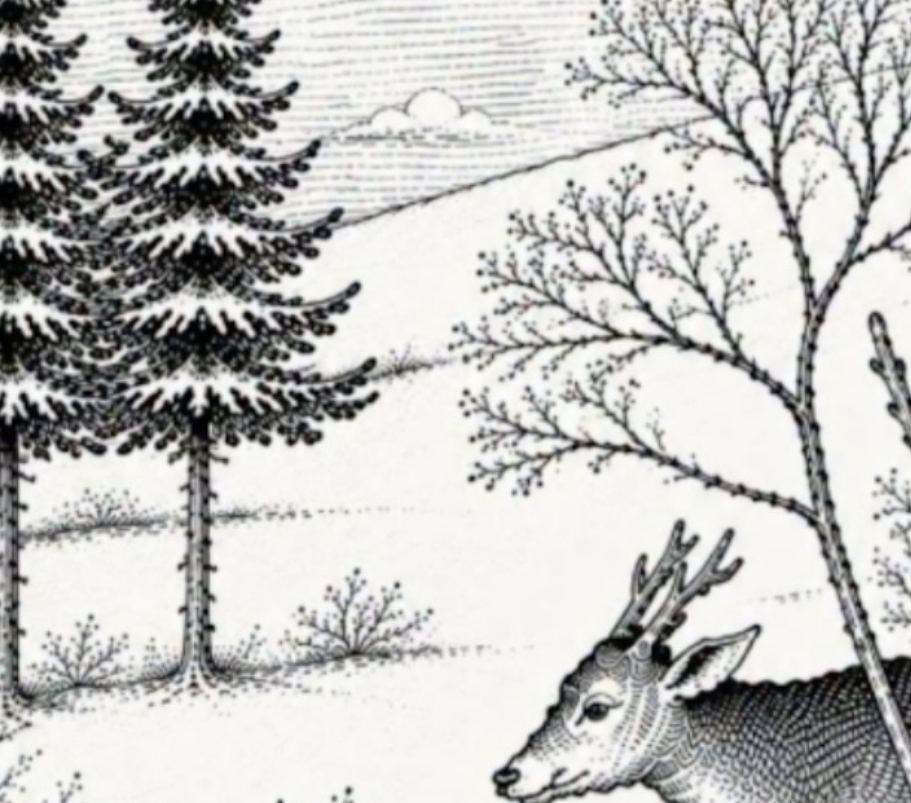
Unveiling the Hidden Figures in Winter Scenes
Every winter, as the world transforms under a blanket of snow, a delightful challenge emerges: can you find the hidden figure blending into the winter scene? This playful question not only invites curiosity but also captivates the imagination, offering a unique blend of art and observation. In this article, we will explore the various elements that contribute to the beauty of winter landscapes, the psychological aspects of searching for hidden figures, and how these visual puzzles enhance our appreciation for art and nature.
The Allure of Winter Landscapes
Winter landscapes possess a unique charm that many people adore. The crisp air, the serenity of falling snow, and the picturesque whiteness create a visually stunning environment. Art enthusiasts and casual observers alike are often drawn to the subtle beauty of winter scenes, and hidden figures add an interactive layer to this appreciation.
The Elements of a Winter Scene
To understand the complexity of finding hidden figures, we first need to delve into the elements that compose a typical winter scene. These elements include:
- Snow-Covered Terrain: Fresh snow blankets the ground, providing a soft surface that masks contours and shapes, creating a perfect backdrop for hidden figures.
- Bare Trees: The stark contrast of bare branches against a white landscape adds depth and can obscure hidden figures.
- Subtle Color Variations: Shades of white, gray, and occasional pops of color from winter flora or fauna can make spotting hidden figures more challenging.
- Hidden Wildlife: Animals, such as snowshoe hares or arctic foxes, possess white coats that enable them to camouflage seamlessly into their surroundings.
Unlocking the Mystery: The Psychology Behind Searching for Hidden Figures
Searching for hidden figures is not just a simple game; it is rooted in psychology. Engaging in this activity stimulates cognitive functions, enhancing our observational skills and critical thinking. Here’s how:
Enhancing Observation Skills
When we look for hidden figures, we train our eyes to adjust to different patterns and textures. This practice improves our ability to notice details in various contexts, whether in art, nature, or daily life.
Increasing Attention to Detail
Finding hidden figures requires focusing on intricate details and understanding how they relate to the wider scene. This attentive diving into visual elements fosters greater mindfulness and awareness in our everyday observations.
Stimulating the Brain
The act of searching for a hidden figure activates various brain regions related to perception and problem-solving. The mental challenge can be both stimulating and rewarding, creating a sense of accomplishment when the figure is finally spotted.
The Artistic Aspect of Hidden Figures
Artists have long used hidden figures within their paintings and illustrations to engage viewers. By incorporating these concealed elements, they invite audiences to explore their work more deeply. Here’s a closer look at the artistic journey behind hidden figures:
Composition Techniques
Artists utilize several composition techniques to subtly insert hidden figures, including:
- Layering: Using layers of color and texture can obscure figures, forcing the viewer to dissect the image more carefully.
- Contrast: Variations in light and shadow can conceal these figures, providing a playful challenge to the viewer.
- Abstract Elements: By blending figures into abstract designs, artists encourage viewers to engage their imagination while searching for the hidden subject.
Notable Examples in Art History
Throughout art history, many renowned artists have played with the notion of hidden figures:
- In Andrew Wyeth’s works, figures are often set against vast, snowy landscapes, creating a sense of solitude and inviting viewers to reflect on their surroundings.
- Robert G. McGinnis, known for his illustration work, cleverly hides characters within intricate backgrounds, prompting viewers to take a closer look.
- Many modern digital artists incorporate hidden figures into their creations, taking advantage of advanced tools to blend them seamlessly into winter or fantasy landscapes.
Creating Your Own Hidden Figures Challenge
Now that we understand the beauty and psychological intrigue behind hidden figures, consider creating your own winter scene challenge. Here are some steps to get started:
Step 1: Choose Your Scene
Select a winter landscape as your base. This could be a photograph, a digital illustration, or a painted canvas. The more intricate the background, the more engaging the challenge.
Step 2: Add Elements Wisely
Incorporate various elements such as trees, hills, and snowflakes. Then, carefully design hidden figures that either blend with the environment or stand out against certain aspects of the scene.
Step 3: Test Your Puzzle
Once your hidden figure(s) have been added, share your creation with friends or online communities. Encourage them to take on the challenge and see how long it takes for them to find the hidden elements.
Conclusion: The Joy of Discovery in Winter Scenes
Finding hidden figures in winter landscapes is not only a fun challenge; it is also a means to enhance our appreciation for art and the natural world. The interplay of observation, psychology, and artistic expression creates a rich tapestry that invites us to engage more deeply with the beauty around us. As we embrace the mysteries of winter, let us continue to seek out the hidden figures that enrich our experiences, encouraging curiosity and creativity in every snowy embrace.