
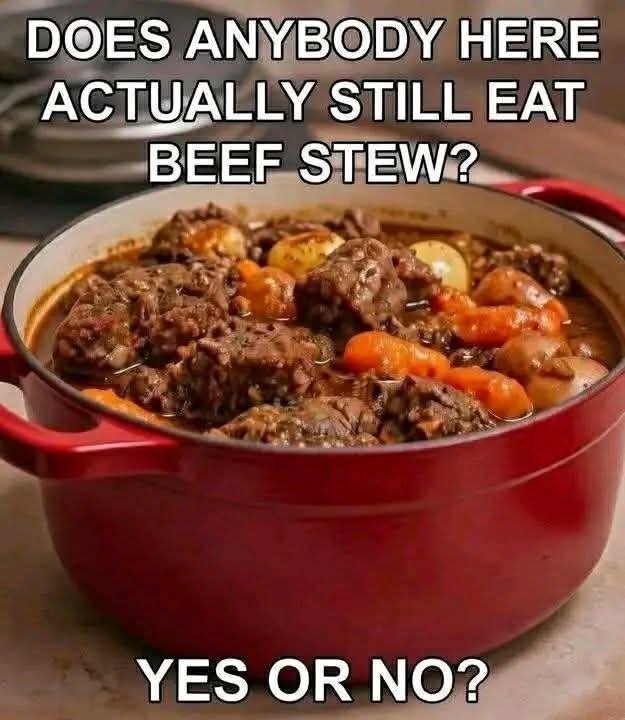
# Old-Fashioned Beef Stew: A Comforting Classic
## Introduction
Nothing warms the heart quite like a bowl of old-fashioned beef stew. This classic dish is not only packed with rich, savory flavors but also provides a sense of nostalgia that makes it a family favorite. Whether you are cooking for a cold winter evening or a gathering with friends, a hearty beef stew can bring everyone together. In this article, we will explore the origins, ingredients, and step-by-step method for making the perfect old-fashioned beef stew. Additionally, we will provide useful tips and variations to help you customize this timeless dish to your liking.
## The Origin of Beef Stew
Beef stew has a long history that traces back to ancient times when people started cooking meat with vegetables in large pots. The idea was simple: slow-cooking tough cuts of meat with water and herbs until they became tender. This rustic method of cooking made it possible to transform inexpensive ingredients into a hearty meal that could feed a family. Different cultures worldwide have their variations, but the old-fashioned beef stew is a cherished staple in many households, particularly in the United States and Europe.
## Key Ingredients for Old-Fashioned Beef Stew
To create an authentic old-fashioned beef stew, it is essential to start with high-quality ingredients. Here are the key ingredients you will need:
### 1. Beef Chuck Roast
Choosing the right cut of beef is crucial for achieving that melt-in-your-mouth tenderness. Beef chuck roast is ideal because it contains enough connective tissue and fat to become tender during the long cooking process.
### 2. Aromatic Vegetables
Onions, carrots, and celery are often referred to as the “Holy Trinity” of mirepoix. These vegetables provide a flavorful base for the stew. You may also consider adding garlic for extra depth.
### 3. Potatoes
Russet or Yukon Gold potatoes work well in beef stew. They absorb flavors and help thicken the broth as they cook down.
### 4. Beef Broth
Rich beef broth or stock forms the heart of the stew. You can use homemade broth for a more authentic flavor or store-bought options for convenience.
### 5. Seasonings
Traditional seasonings include salt, pepper, bay leaves, and thyme. You can customize your seasonings to suit your taste, maybe even adding paprika or rosemary for a unique twist.
### 6. Optional Ingredients
Consider adding peas, mushrooms, or even red wine to enhance the flavor profile of your stew. These ingredients can provide additional layers of taste that make your dish stand out.
## Step-by-Step Instructions for Making Old-Fashioned Beef Stew
### Step 1: Prepare the Ingredients
Start by cutting the beef chuck roast into 1 to 1.5-inch cubes. This size allows for even cooking and ensures the meat becomes tender in the stew. Chop your aromatic vegetables and potatoes into bite-sized pieces.
### Step 2: Brown the Beef
In a large heavy-bottomed pot or Dutch oven, heat a couple of tablespoons of oil over medium-high heat. Add the beef cubes in batches, ensuring they are not overcrowded. Sear the meat on all sides until browned, which usually takes about 5-7 minutes per batch. Browning is important as it adds depth of flavor to the stew.
### Step 3: Sauté the Vegetables
After browning the beef, remove it from the pot and set it aside. In the same pot, add the onions, carrots, and celery. Sauté until the vegetables are softened and the onions become translucent, approximately 5 minutes. Don’t forget to scrape any browned bits from the bottom of the pot, as they are full of flavor.
### Step 4: Add Broth and Seasonings
Return the browned beef to the pot along with the potatoes. Pour in the beef broth until it covers all the ingredients. Add your chosen seasonings (salt, pepper, bay leaves, and thyme) and bring the mixture to a boil.
### Step 5: Simmer
Once boiling, reduce the heat to low and cover the pot. Let the stew simmer for at least 1.5 to 2 hours, or until the beef is tender. Stir occasionally, and if needed, add more broth or water to keep the ingredients submerged.
### Step 6: Final Touches
In the last 15 minutes of cooking, you can add optional ingredients like peas or mushrooms for added flavor and texture. Taste and adjust the seasoning if necessary.
### Step 7: Serve
Once the beef is fork-tender and the flavors have melded beautifully, remove the stew from heat. Discard the bay leaves and serve hot. Enjoy your old-fashioned beef stew with crusty bread or over a bed of rice for a complete meal.
## Tips for Perfect Beef Stew
– **Choose Quality Meat**: The better the quality of the beef you use, the richer the flavor of your stew will be. Look for well-marbled meat for the best results.
– **Brown Your Meat Properly**: Browning not only adds flavor but also helps to develop an excellent color for your stew.
– **Use Fresh Herbs**: If you have fresh herbs, feel free to use them instead of dried. They can enhance the flavor significantly.
– **Low and Slow**: Allowing the stew to simmer on low heat is essential for breaking down tough cuts of meat.
– **Make it Ahead of Time**: Beef stew often tastes even better the next day as the flavors continue to develop.
## Variations of Old-Fashioned Beef Stew
While traditional beef stew is irreplaceably comforting, feel free to try different variations. Some cooks add red wine or stout beer for an extra depth of flavor. Others may choose to make it more hearty with the addition of turnips or parsnips. For a spicy kick, add some chili powder or diced jalapeños. The possibilities are endless!
## Conclusion
Old-fashioned beef stew is more than just a meal; it’s an experience that brings warmth, comfort, and joy to any dining table. With simple ingredients and a straightforward cooking method, you can create a dish that is both nourishing and satisfying. Whether you enjoy this stew on a chilly evening at home or serve it at a gathering, it’s sure to be a hit. Try your hand at this timeless recipe, and savor the rich flavor that only a homemade beef stew can offer. As you explore and make it your own, you may find that this classic dish becomes a cherished tradition in your family for years to come. Enjoy your cooking!