
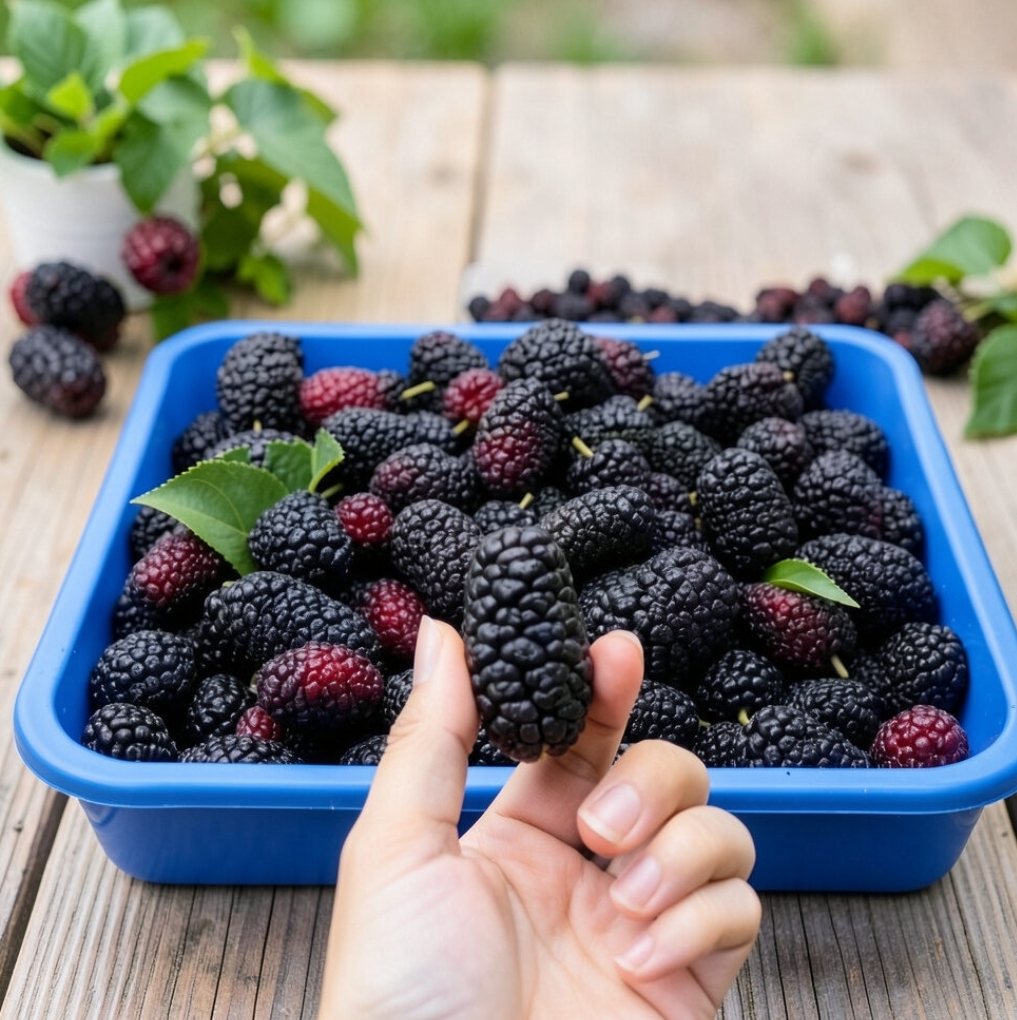
Unveiling the Power of Mulberries: A Nutrient-Rich Gem
In a world brimming with superfoods, some truly remarkable fruits tend to be overlooked. One such gem is the mulberry. Often described as an “almost forgotten fruit,” mulberries are making a comeback, and for good reason. These delicious berries, with their deep, rich colors ranging from black to red, are not just a treat for the taste buds; they are also a powerhouse of nutrition and potential health benefits. If you’ve ever wondered about the benefits of eating mulberries or how to incorporate them into your healthy diet, you’ve come to the right place.
This article will delve into the world of mulberries, exploring their nutritional profile, the various ways they may support your health and wellness, and practical tips for enjoying this versatile fruit. From their antioxidant properties to their potential role in managing blood sugar, mulberries offer a compelling case for being a regular feature on your plate.
What Are Mulberries?
Mulberries are the fruit of the mulberry tree, which belongs to the genus Morus. While there are several species, the most common varieties producing edible fruit are black, red, and white mulberries. They resemble elongated blackberries but have a unique flavor profile that can range from tart to very sweet, depending on the ripeness and variety. Historically, mulberries have been cultivated for centuries, not just for their fruit but also for their leaves, which are the primary food source for silkworms.
Today, fresh mulberries are a seasonal delight, often found in late spring and early summer. Their delicate nature means they don’t always travel well, which might be one reason they aren’t as ubiquitous as other berries. However, their increasing recognition for health benefits means they are becoming more accessible in various forms, including dried mulberries and mulberry extracts.
Key Health Benefits of Mulberries
Mulberries are more than just a sweet treat; they are loaded with beneficial compounds that may contribute to overall health and wellness. Here are some of the key advantages of adding mulberries to your diet:
Rich in Antioxidants: Mulberries are particularly high in anthocyanins, which give them their vibrant color. These powerful antioxidants help combat oxidative stress in the body, protecting cells from damage caused by free radicals. This protective effect is important for healthy aging and may reduce the risk of various chronic diseases.
Packed with Vitamins and Minerals: These berries are a good source of essential vitamins and minerals, including Vitamin C, Vitamin K, and iron. Vitamin C is crucial for immune function and skin health, while Vitamin K plays a vital role in blood clotting and bone health. Iron is essential for oxygen transport in the blood.
Supports Digestive Health: Mulberries are a good source of dietary fiber. Fiber is known to promote healthy digestion, prevent constipation, and support a balanced gut microbiome. A healthy digestive system is foundational to overall wellness.
May Help Manage Blood Sugar: Some research suggests that compounds found in mulberries, particularly 1-deoxynojirimycin (DNJ), may help slow down the absorption of sugar in the gut, potentially aiding in healthy blood sugar management. This makes them a fruit of interest for those looking to maintain stable blood glucose levels.
Promotes Heart Health: The antioxidants and fiber in mulberries may contribute to cardiovascular health. By reducing oxidative stress and potentially helping to manage cholesterol levels, mulberries can be a beneficial addition to a heart-healthy diet.
Nutritional Profile of Mulberries
Mulberries offer an impressive nutritional punch for their small size. A typical serving provides:
Calories: Relatively low, making them a great snack option.
Carbohydrates: Primarily from natural sugars and dietary fiber.
Fiber: Significant amounts, supporting digestive health.
Vitamin C: A substantial portion of the daily recommended intake, boosting immunity.
Vitamin K: Important for blood clotting and bone health.
Iron: Contributes to red blood cell formation and oxygen transport.
Potassium: Important for maintaining healthy blood pressure.
Antioxidants: Including anthocyanins, resveratrol, and other polyphenols.
These nutrients work synergistically to provide the wide range of health benefits associated with mulberries.
How to Incorporate Mulberries into Your Daily Life
Fresh mulberries are best enjoyed during their season, but their versatility means they can be enjoyed year-round in various forms. Here are some practical tips:
Fresh Snacking: Enjoy them straight from the punnet for a sweet and nutritious snack.
Smoothies: Add fresh or frozen mulberries to your morning smoothie for a burst of flavor and antioxidants.
Yogurt and Cereal Topping: Sprinkle mulberries over yogurt, oatmeal, or cereal for added taste and nutrients.
Baking: Incorporate them into muffins, pies, tarts, or crumbles.
Jams and Preserves: Their natural sweetness and pectin content make them excellent for homemade jams.
Dried Mulberries: Dried mulberries are a convenient and chewy snack, perfect for trail mixes or on their own. They retain many of the nutritional benefits of fresh mulberries.
Mulberry Tea: Mulberry leaves can also be brewed into a tea, which is traditionally consumed for its potential health benefits, particularly related to blood sugar.
Important Considerations and Safety Notes
While mulberries are generally safe and beneficial for most people, it’s always wise to consume them as part of a balanced diet. If you have specific health conditions, such as diabetes, or are taking medications, especially those affecting blood sugar or blood clotting, it’s advisable to consult with a healthcare professional. Although rare, some individuals may experience allergic reactions to mulberries.
Frequently Asked Questions About Mulberries
Q: Are mulberries good for weight management?
A: Mulberries are low in calories and high in fiber, which can help promote feelings of fullness and support healthy digestion, both of which are beneficial for weight management when combined with a balanced diet and regular exercise.
Q: Can I eat mulberry leaves?
A: Yes, mulberry leaves are edible and often used in herbal teas and traditional medicine. They contain different beneficial compounds than the fruit and are known for their potential to help manage blood sugar levels.
Q: Where can I find fresh mulberries?
A: Fresh mulberries are seasonal, typically available in late spring to early summer. Look for them at local farmers’ markets or specialty grocery stores. Dried mulberries are more widely available year-round.
Q: Are all colors of mulberries equally healthy?
A: While all mulberries are nutritious, black and red mulberries tend to have higher concentrations of anthocyanins, which are powerful antioxidants, compared to white mulberries. However, all varieties offer valuable health benefits.
Final Thoughts
Mulberries, with their delightful taste and impressive nutritional profile, are truly a fruit worth rediscovering. From boosting antioxidant intake to supporting digestive and heart health, these berries offer a multitude of benefits that can easily be integrated into a healthy lifestyle. Whether fresh, dried, or in a delicious recipe, mulberries are a flavorful way to enhance your overall wellness. So, next time you encounter these vibrant berries, embrace the opportunity to enjoy this “almost forgotten” superfood