
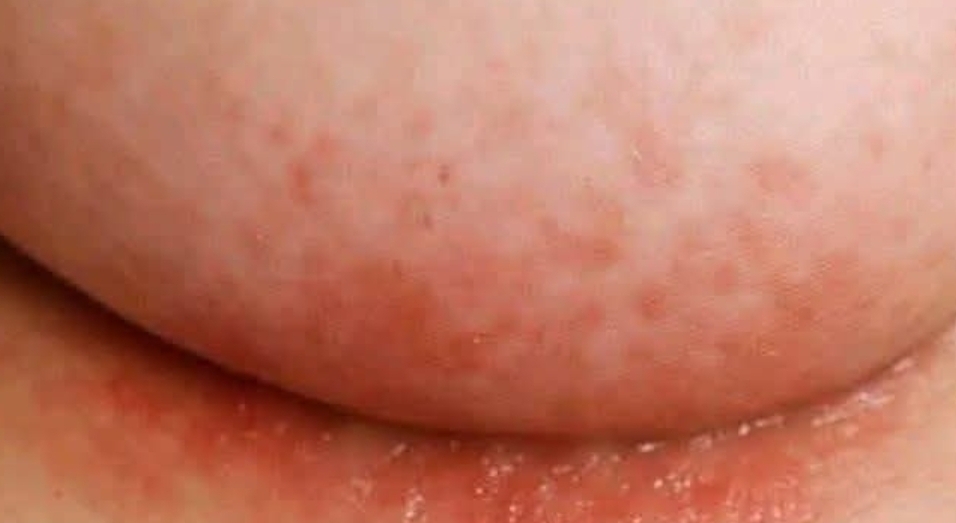
Itchy Rash Under Your Breasts in Winter? What You Can Safely Do Today
Winter can be tough on your skin. Cold, dry air outside and heated indoor environments can leave your skin irritated, dry, and more sensitive than usual.
For some people, winter also brings an uncomfortable problem that can be especially frustrating: an itchy rash under the breasts that keeps coming back.
If your doctor isn’t available today, there are several simple steps you can take to protect the irritated skin, reduce discomfort, and watch for signs that you may need medical attention.
One common possibility is intertrigo, a rash that develops in skin folds where moisture, warmth, and friction can build up.
However, not every rash under the breasts is intertrigo. Other skin conditions and infections can look similar, so home care should focus on protecting the skin rather than assuming a specific diagnosis.
Could It Be Intertrigo?
Intertrigo commonly develops in areas where skin touches skin, including underneath the breasts.
The combination of moisture, warmth, and friction can irritate the skin and create an environment where yeast or bacteria may multiply.
During winter, wearing multiple layers of clothing can sometimes increase sweating, even when the weather outside is cold.
Typical symptoms may include:
- Red or irritated skin
- Itching
- Burning or stinging
- Tender or raw skin
- Moisture in the skin fold
- An unpleasant or musty odor
- Small bumps or changes around the affected area
If the skin becomes increasingly painful, swollen, or begins producing drainage, however, it may be more than simple irritation.
Watch for These Red Flags
Many mild skin-fold rashes can be cared for temporarily at home, but some symptoms should not be ignored.
Seek urgent medical care if you develop:
- Severe or rapidly increasing pain
- Redness that spreads quickly
- Significant swelling or warmth
- Fever or chills
- Pus or significant drainage
- Blisters filled with pus
- Skin that becomes dark, severely damaged, or rapidly changes appearance
- Feeling unusually unwell along with the rash
These symptoms can sometimes indicate a more significant infection or another condition that requires professional treatment.
Gently Clean the Area
Keeping the affected area clean is important, but aggressive cleaning can make irritation worse.
Use lukewarm water and a mild, fragrance-free cleanser.
Avoid scrubbing the rash, using rough washcloths, or applying heavily fragranced soaps and body washes.
Instead, gently wash the area and rinse thoroughly.
The goal isn’t to remove every trace of natural oil from the skin. It’s simply to keep the area clean without creating additional irritation.
Dry the Skin Thoroughly
Drying the area may be one of the most important things you can do.
After washing, gently pat the skin dry with a clean, soft towel.
Don’t rub.
If the skin fold remains damp, you can use a fan or a hairdryer on the cool setting for a short time to help remove remaining moisture.
Avoid hot air because heat can increase irritation and dryness.
Keeping the area dry can help reduce friction and make the environment less favorable for yeast and bacteria.
Consider a Protective Barrier
If the skin is irritated from moisture and friction, a thin layer of petrolatum or a zinc oxide barrier ointment may help protect it.
These products can create a protective layer between the skin and moisture.
Apply only a thin layer to clean, completely dry skin.
If applying any product causes significant burning, worsening redness, or another reaction, stop using it.
What If It Looks Like a Yeast Rash?
Yeast can sometimes grow in warm, moist skin folds.
An under-breast rash that is intensely red, moist, itchy, and associated with small spots or bumps around the edges may be consistent with a yeast-related rash—but appearance alone cannot confirm the cause.
Some over-the-counter antifungal creams, such as clotrimazole or miconazole, are commonly used for certain fungal or yeast skin infections.
If you decide to use one, follow the product’s label carefully.
Don’t automatically combine several different medicated creams at once. If you’re uncertain whether the rash is fungal, irritated skin, eczema, or something else, asking a pharmacist can be a useful first step when your doctor isn’t available.
Be Careful With Powders
Keeping skin folds dry can help, but powders aren’t always the best solution.
If you use a body or anti-chafing powder, choose a product intended for skin use and apply only a small amount.
Avoid creating airborne clouds of powder that you could inhale.
And if you suspect the rash could be yeast-related, avoid relying on cornstarch, since starch can potentially support yeast growth.
The simpler approach is often better: gently clean, dry thoroughly, reduce friction, and use an appropriate protective product.
Choose Breathable Clothing
What you wear can make a noticeable difference.
Choose bras and clothing that allow air to circulate and don’t trap excessive moisture against the skin.
Breathable fabrics such as cotton may be more comfortable for some people than materials that hold heat and moisture close to the skin.
During winter, layering can help keep you warm, but too many heavy layers may also make you sweat.
A thin, breathable cotton layer underneath warmer clothing can sometimes help manage moisture more effectively.
The goal is to stay warm without creating a hot, damp environment under the breasts.
Cool the Itch
When itching becomes annoying, a cool compress can provide temporary relief.
Place a clean, cool, damp cloth over the affected area for around 10 to 15 minutes.
Don’t place ice directly against your skin.
You can repeat the cool compress when needed, provided it doesn’t make the skin more irritated.
Some non-prescription anti-itch products may also provide temporary relief, but avoid putting multiple active ingredients on already irritated skin without knowing whether they’re appropriate for the rash.
Take a Look at Your Winter Routine
Sometimes small changes can help prevent the rash from repeatedly returning.
Consider taking shorter, lukewarm showers rather than long, hot ones.
Hot water can worsen dryness and irritation.
If indoor heating makes the air extremely dry, a humidifier may help improve overall skin comfort.
Laundry products can also matter.
A fragrance-free, gentle laundry detergent may be worth trying if you suspect your clothing or bedding is contributing to irritation.
Wash bras and clothing regularly, particularly after sweating.
Keep an Eye on the Rash
One of the most useful things you can do today is simply monitor what’s happening.
Take a clear photo of the rash in good lighting.
Then pay attention to whether it is:
- Becoming less red
- Less itchy
- Drier and less irritated
- Staying the same
- Spreading
- Becoming painful
- Developing drainage or blisters
If the rash is getting worse rather than better, don’t continue trying different home remedies indefinitely.
When Should You Stop Home Treatment?
If the rash doesn’t begin improving with basic skin care, or if it repeatedly comes back, it’s worth having a healthcare professional examine it.
A rash that persists for around a week despite appropriate home care deserves medical evaluation, particularly if you’re unsure of its cause.
Recurring rashes can have different causes, and the correct treatment depends on what’s actually causing the irritation.
Avoid repeatedly treating an undiagnosed rash with different medicated creams.
What helps one condition can sometimes make another condition worse.
Make Your Next Doctor’s Appointment More Useful
When you can see your doctor, a little preparation can make the appointment much more helpful.
Take several clear photographs showing how the rash looks at different stages.
Also make a short list of:
- When the rash started
- How often it returns
- Whether it gets worse during winter
- Any itching, burning, pain, or odor
- Products you’ve applied
- Soaps or detergents you’ve recently changed
- Whether sweating makes it worse
- Whether the rash appears anywhere else
These details can help your healthcare professional understand the pattern and determine whether further testing or treatment is needed.
The Bottom Line
An itchy rash under the breasts can be uncomfortable, especially when it keeps returning during winter.
Moisture, friction, warmth, irritation, yeast, and other skin conditions can all play a role.
For today, focus on the basics: clean gently, dry thoroughly, reduce moisture and friction, wear breathable clothing, and avoid harsh or heavily fragranced products.
A thin protective barrier such as petrolatum or zinc oxide may help protect irritated skin, while an appropriate over-the-counter antifungal may be useful when a yeast infection is suspected—but persistent or worsening rashes should be evaluated by a healthcare professional.
And most importantly, don’t ignore warning signs such as rapidly spreading redness, severe pain, fever, swelling, or pus.
Your skin is giving you information. The key is knowing when simple home care is reasonable—and when it’s time to get professional help.