
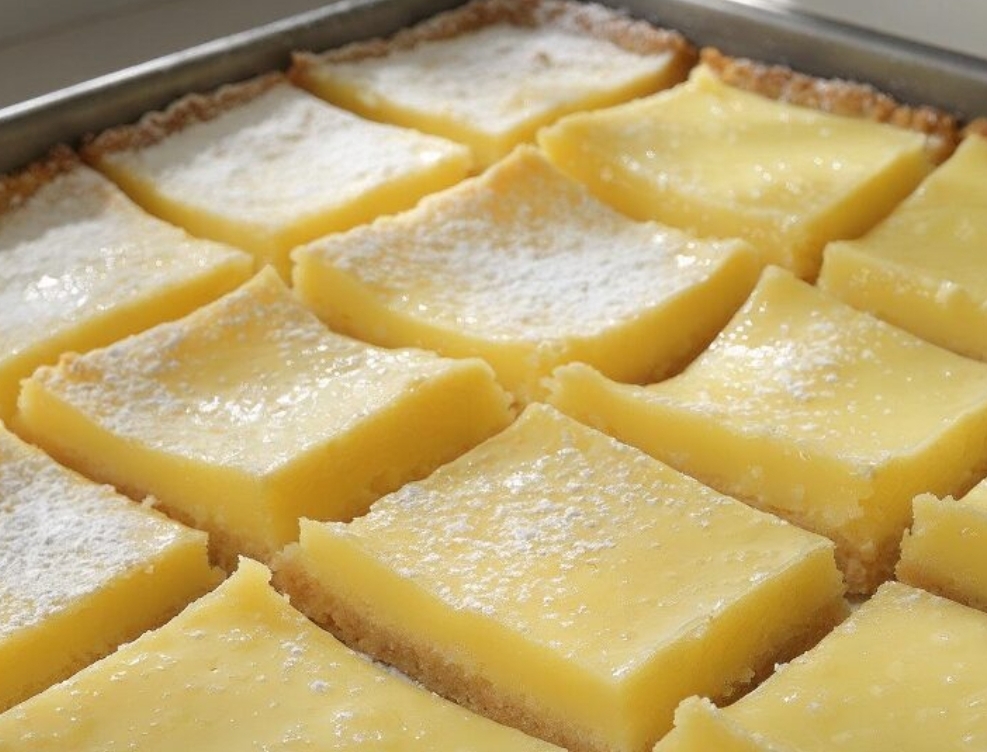
Classic Melt-in-Your-Mouth Lemon Bars with Shortbread Crust
There’s something truly magical about a perfectly crafted lemon bar. The sweet and tart symphony of flavors, combined with a delicate, buttery shortbread crust, creates a dessert that’s simply irresistible. This classic lemon bars recipe delivers a melt-in-your-mouth experience that will have everyone asking for more. Whether you’re a seasoned baker or just starting out, these easy lemon bars are a delightful project that yields impressive results.
The vibrant yellow lemon filling, nestled on a golden-brown shortbread crust, makes for a visually appealing dessert that’s perfect for any occasion. From a casual family gathering to a more formal celebration, these homemade lemon bars are always a hit. They’re quick to prepare and the baking process is straightforward, making them an ideal choice when you need a delicious treat without a lot of fuss. Once you try this recipe, it’s sure to become a staple in your baking repertoire, just as it has for many others who can’t stop making them!
Why You’ll Love This Recipe
- Irresistible Flavor: The perfect balance of sweet and tangy, with a rich lemon flavor that brightens any palate.
- Easy to Make: With simple ingredients and clear instructions, even beginner bakers can achieve perfect results.
- Crowd-Pleaser: These classic lemon bars are universally loved and disappear quickly at parties and potlucks.
- Versatile Dessert: Great for holidays, picnics, afternoon tea, or simply a sweet treat after dinner.
- Beautiful Presentation: The bright yellow custard and golden crust make for an elegant dessert.
Ingredient Notes
Creating the best lemon bars requires fresh, quality ingredients. Here’s a closer look at what you’ll need and why each component is important:
- All-Purpose Flour: Forms the structure of both the shortbread crust and helps thicken the lemon custard. Ensure it’s measured correctly for the right consistency.
- Granulated Sugar: Sweetens both the crust and the lemon filling, balancing the tartness of the lemon.
- Unsalted Butter: Essential for a rich, tender, and flavorful shortbread crust. Using unsalted butter allows you to control the salt content in your baking. Make sure it’s cold for the crust to prevent it from becoming too crumbly, and softened for the custard for easier mixing.
- Large Eggs: Act as a binder and create the smooth, creamy texture of the lemon custard. They also contribute to the beautiful golden color.
- Fresh Lemon Juice: This is the star of the show! Always use freshly squeezed lemon juice for the best flavor. Bottled lemon juice simply won’t yield the same bright, zesty taste.
- Lemon Zest: Adds an extra layer of intense lemon flavor and aroma to the custard. Don’t skip this step – it makes a huge difference! Use a fine grater or microplane for best results.
- Baking Powder: A leavening agent for the shortbread crust, giving it a slight lift and tender texture.
- Salt: Enhances all the flavors in both the crust and the filling, bringing out the sweetness and tanginess.
- Powdered Sugar (for dusting): An optional but highly recommended finishing touch that adds a delicate sweetness and a beautiful presentation.
How to Make Classic Lemon Bars
Follow these steps to create your own batch of delicious, tangy lemon bars:
Step 1: Prepare the Shortbread Crust
- Preheat your oven to 350°F (175°C). Lightly grease a 9×13 inch metal baking pan and line it with parchment paper, leaving an overhang on the sides to easily lift the bars out later.
- In a medium bowl, combine 2 cups all-purpose flour, 1/2 cup granulated sugar, and 1/4 teaspoon salt.
- Cut 1 cup (2 sticks) cold unsalted butter into small cubes and add to the dry ingredients. Using your fingertips or a pastry blender, cut the butter into the flour mixture until it resembles coarse crumbs.
- Press the mixture evenly into the bottom of the prepared baking pan. Bake for 18-20 minutes, or until the edges are lightly golden brown. Remove from oven and set aside while you prepare the filling.
Step 2: Make the Lemon Custard Filling
- While the crust is baking, in a large bowl, whisk together 4 large eggs, 1 1/2 cups granulated sugar, 1/4 cup all-purpose flour, 1/2 cup fresh lemon juice, and 2 tablespoons lemon zest. Whisk until smooth and well combined.
Step 3: Assemble and Bake
- Pour the lemon custard filling evenly over the warm shortbread crust.
- Return the pan to the oven and bake for another 20-25 minutes, or until the filling is set and the edges are lightly golden. The center may still be slightly jiggly, which is normal.
- Remove the pan from the oven and let it cool completely on a wire rack at room temperature. This is crucial for the bars to set properly.
Step 4: Chill and Serve
- Once completely cooled, transfer the pan to the refrigerator and chill for at least 2 hours, or preferably overnight. Chilling makes the bars much easier to slice and ensures the filling is firm.
- Once chilled, use the parchment paper overhang to lift the entire slab of lemon bars out of the pan. Place on a cutting board and slice into squares or rectangles.
- Dust with powdered sugar just before serving, if desired.
Helpful Baking Tips
- Don’t Overbake the Crust: A perfectly baked shortbread crust should be golden brown around the edges, but not dark. Overbaking can make it tough.
- Use Fresh Lemons: This cannot be stressed enough! Fresh lemon juice and zest are key to the vibrant, tangy flavor of these lemon bars.
- Cool Completely: Patience is a virtue when it comes to lemon bars. Allowing them to cool and chill completely ensures a firm, sliceable custard. Rushing this step will result in a messy, unset filling.
- Parchment Paper is Your Friend: Lining the pan with parchment paper makes for effortless removal and clean cuts.
- Sifting Powdered Sugar: For a beautiful, lump-free dusting, sift the powdered sugar over the cooled bars using a fine-mesh sieve.
- Baking Pan Choice: A good quality metal baking pan conducts heat evenly, ensuring your crust bakes consistently.
Ingredient Substitutions
- Gluten-Free Flour: You can experiment with a 1:1 gluten-free baking flour blend for the crust and filling if you need a gluten-free option. Results may vary slightly in texture.
- Lime or Orange: For a different citrus twist, you could try substituting lime juice and zest for a key lime bar variation, or orange for a sweeter, milder flavor.
- Dairy-Free Butter: For a dairy-free crust, use a high-quality plant-based butter alternative. Ensure it’s suitable for baking.
Variations
- Coconut Lemon Bars: Add shredded coconut to the shortbread crust or sprinkle it over the top of the baked bars for a tropical twist.
- Almond Lemon Bars: Incorporate almond extract into the shortbread crust or sprinkle sliced almonds on top of the filling before baking for a nutty flavor.
- Raspberry Swirl: Swirl a few tablespoons of raspberry jam into the lemon filling before baking for a beautiful color and added fruit flavor.
Serving Suggestions
These classic lemon bars are wonderful on their own, but they also pair beautifully with a few simple additions:
- A light dusting of powdered sugar.
- A dollop of freshly whipped cream.
- Fresh berries, such as raspberries or blueberries, for a burst of color and complementary flavor.
- Alongside a cup of tea or coffee for a perfect afternoon treat.
Storage and Reheating
- Storage: Store leftover lemon bars in an airtight container in the refrigerator for up to 3-4 days.
- Freezing: Lemon bars freeze exceptionally well. Once completely cooled and sliced, arrange them in a single layer on a baking sheet and freeze until solid. Then transfer them to an airtight freezer-safe container or bag, separating layers with parchment paper. They can be frozen for up to 2-3 months.
- Thawing: Thaw frozen lemon bars in the refrigerator overnight or at room temperature for a few hours before serving.
Frequently Asked Questions
Q: Why are my lemon bars runny?
A: The most common reason for runny lemon bars is insufficient baking or not allowing them to cool and chill completely. The filling needs time to set. Ensure your oven temperature is accurate and that you’ve used the correct amount of flour and eggs.
Q: Can I use bottled lemon juice?
A: While you technically can, it’s highly recommended to use fresh lemon juice. Bottled juice lacks the vibrant flavor and acidity of fresh lemons, which is crucial for the best taste in lemon bars.
Q: How do I get clean cuts when slicing lemon bars?
A: Ensure the bars are completely chilled. Use a sharp, warm knife (run it under hot water and wipe dry between cuts). Clean the knife after each slice for the cleanest edges.
Q: Why did my shortbread crust get hard?
A: An overly hard crust can be due to overbaking or overworking the dough. Be gentle when pressing the crust into the pan and bake until just golden at the edges.
Final Recipe Notes
These classic lemon bars are a testament to simple ingredients coming together to create something truly extraordinary. The bright, zesty custard and the crumbly, buttery shortbread crust offer a delightful contrast in texture and taste. This recipe is designed for ease and deliciousness, ensuring that every batch you make will be a resounding success. Enjoy the process of creating these wonderful treats, and don’t be surprised if you find yourself making double batches just like our enthusiastic user!
Ingredients
- For the Shortbread Crust:
- 2 cups (240g) all-purpose flour
- 1/2 cup (100g) granulated sugar
- 1/4 teaspoon salt
- 1 cup (2 sticks / 226g) cold unsalted butter, cut into cubes
- For the Lemon Custard Filling:
- 4 large eggs
- 1 1/2 cups (300g) granulated sugar
- 1/4 cup (30g) all-purpose flour
- 1/2 cup (120ml) fresh lemon juice (from about 3-4 lemons)
- 2 tablespoons lemon zest (from about 2 large lemons)
- For Dusting (Optional):
- Powdered sugar
Instructions
- Preheat the oven to 350°F (175°C). Lightly grease a 9×13 inch metal baking pan and line it with parchment paper, leaving an overhang on the sides.
- In a medium bowl, combine 2 cups all-purpose flour, 1/2 cup granulated sugar, and 1/4 teaspoon salt. Add the cold, cubed butter.
- Using your fingertips or a pastry blender, cut the butter into the flour mixture until it resembles coarse crumbs.
- Press the mixture evenly into the bottom of the prepared baking pan. Bake for 18-20 minutes, or until the edges are lightly golden brown. Remove from oven and set aside.
- While the crust is baking, prepare the lemon custard filling. In a large bowl, whisk together 4 large eggs, 1 1/2 cups granulated sugar, 1/4 cup all-purpose flour, 1/2 cup fresh lemon juice, and 2 tablespoons lemon zest until smooth and well combined.
- Pour the lemon custard filling evenly over the warm shortbread crust.
- Return the pan to the oven and bake for another 20-25 minutes, or until the filling is set and the edges are lightly golden. The center may still be slightly jiggly.
- Remove the pan from the oven and let it cool completely on a wire rack at room temperature. This is crucial for the bars to set properly.
- Once completely cooled, transfer the pan to the refrigerator and chill for at least 2 hours, or preferably overnight, to ensure the filling is firm and easy to slice.
- Once chilled, use the parchment paper overhang to lift the entire slab of lemon bars out of the pan. Place on a cutting board and slice into squares or rectangles.
- Dust with powdered sugar just before serving, if desired. Store leftovers in an airtight container in the refrigerator.
- Prep time: 20 minutes
- Cook time: 45 minutes
- Total time: 3 hours 5 minutes (includes cooling and chilling)
- Servings: 12-16 bars