
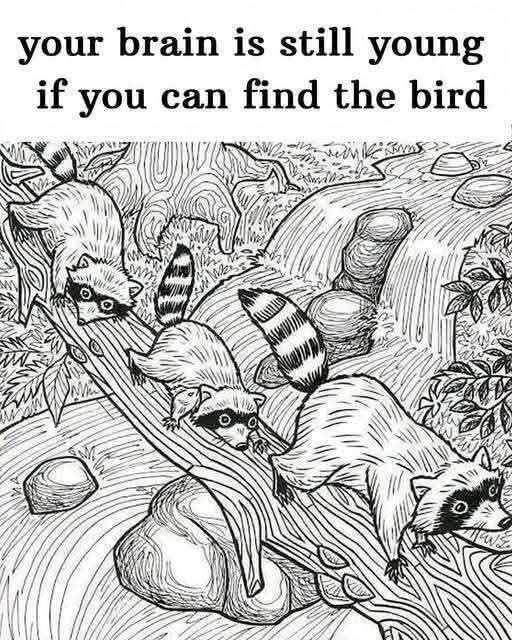
Can You Find the Hidden Figure Blending Into This Winter Scene?
Hidden figure puzzles have become one of the most popular forms of online brain teasers, and winter-themed images are among the most engaging. Snow-covered forests, frosty rooftops, and white landscapes provide the perfect camouflage for a hidden shape, making these puzzles a satisfying challenge for players of all ages. In this guide, we explore why winter scenes make such effective hidden figure puzzles, share practical strategies for spotting concealed shapes, and explain how these visual games can be a fun and beneficial part of your daily routine.
What Is a Hidden Figure Puzzle?
A hidden figure puzzle is a visual challenge in which an object, animal, or shape is concealed within a larger image. The hidden element blends with its surroundings through matching colors, textures, and patterns, so the viewer must look carefully to detect it. These puzzles are often called hidden object games, picture riddles, or camouflage puzzles, and they appear in classic children’s activity books, newspaper features, and modern mobile applications.
The appeal lies in the moment of discovery. When your eyes suddenly separate the hidden shape from the background, the experience feels rewarding. Because the puzzles range from simple to extremely difficult, they suit casual browsers and dedicated puzzle enthusiasts alike.
Why Winter Scenes Make Excellent Hidden Figure Puzzles
Winter landscapes are particularly well suited to camouflage puzzles for several reasons. Snow and ice create a limited color palette dominated by white, gray, blue, and pale brown. Within this restricted range, subtle variations in shade can conceal shapes that would stand out in a more colorful image. Branches, fallen logs, and icicles also share irregular, organic outlines that make it difficult to distinguish a hidden form from natural debris.
Winter scenes also offer natural shapes that mimic animals and objects. A bent tree branch can resemble a bird’s wing, a snow drift can suggest the curve of an animal’s back, and clusters of pine needles can hide the outline of a face. Artists and puzzle designers take advantage of these natural illusions, which is why winter imagery remains a favorite theme.
Common Hidden Figures in Winter Images
Hidden figures in winter puzzles often include animals such as owls, foxes, rabbits, deer, and penguins, since these creatures are associated with cold climates and their shapes can blend into snowy or wooded backgrounds. Human figures, snowmen, and everyday objects like lanterns, sleds, or mittens also appear frequently. Some puzzles hide letters or numbers within the scene, adding an extra layer of challenge.
Understanding what types of figures are commonly used can help you narrow your search. If you suspect an animal, focus on rounded forms, legs, and tails. If you suspect an object, look for straight edges, uniform shapes, or unusual symmetry within the natural clutter.
Effective Strategies for Finding Hidden Figures
Finding a hidden figure is often less about raw eyesight and more about method. The first strategy is to step back from the image. Viewing the picture from a distance or at a smaller size can reveal the overall outline of a hidden shape, which may be invisible when you focus on fine details.
The second strategy is to scan systematically. Divide the image mentally into sections, such as top left, top right, bottom left, and bottom right, and examine each area in turn. Random searching tends to miss details, while a structured approach ensures no region is overlooked.
The third strategy is to change your perspective. Rotating the image, squinting slightly, or looking at it in grayscale can help reveal contrast differences that your eyes overlooked. Many players find that turning their screen sideways exposes a figure that was hidden in its upright orientation.
The fourth strategy is to focus on edges and outlines. Hidden figures are usually defined by their borders rather than their interiors. Trace the lines where snow meets branches or where one shade of white transitions into another. These boundaries often betray the presence of a concealed shape.
Finally, take breaks. Staring at a complex image for too long can cause visual fatigue, making it harder to notice what is right in front of you. Returning to the puzzle after a short pause frequently produces a fresh perspective and an instant discovery.
The Cognitive Benefits of Hidden Figure Puzzles
Beyond entertainment, hidden figure puzzles offer genuine mental exercise. They train visual attention, the ability to focus on specific details while filtering out distractions. They also strengthen pattern recognition, as solvers learn to identify shapes within complex and cluttered backgrounds. Many people find that regular puzzle practice improves their observational skills in everyday situations, such as spotting errors in documents or noticing small changes in their environment.
Hidden figure games can also serve as a relaxing activity. The focused yet low-pressure nature of searching for a shape encourages a calm state of mind, similar to other mindful hobbies. For families, these puzzles make an excellent shared activity, allowing children and adults to collaborate and celebrate discoveries together.
Tips for Choosing Quality Hidden Figure Puzzle Resources
If you want to explore more winter hidden figure puzzles, look for resources that offer clear difficulty levels, high-resolution images, and a variety of themes. Printable puzzle books are ideal for offline play and make a thoughtful holiday gift. Digital puzzle collections and mobile apps provide convenient access and often include hints or timers for added engagement. When browsing online, choose reputable sources that present their content clearly and avoid sites that rely on misleading claims or excessive pop-up advertising, as these detract from the enjoyment of the experience.
Who Benefits Most From Winter Puzzles?
Winter hidden figure puzzles appeal to a broad audience. Children develop attention skills and enjoy the thrill of discovery. Older adults can use puzzles to keep their minds active and engaged