
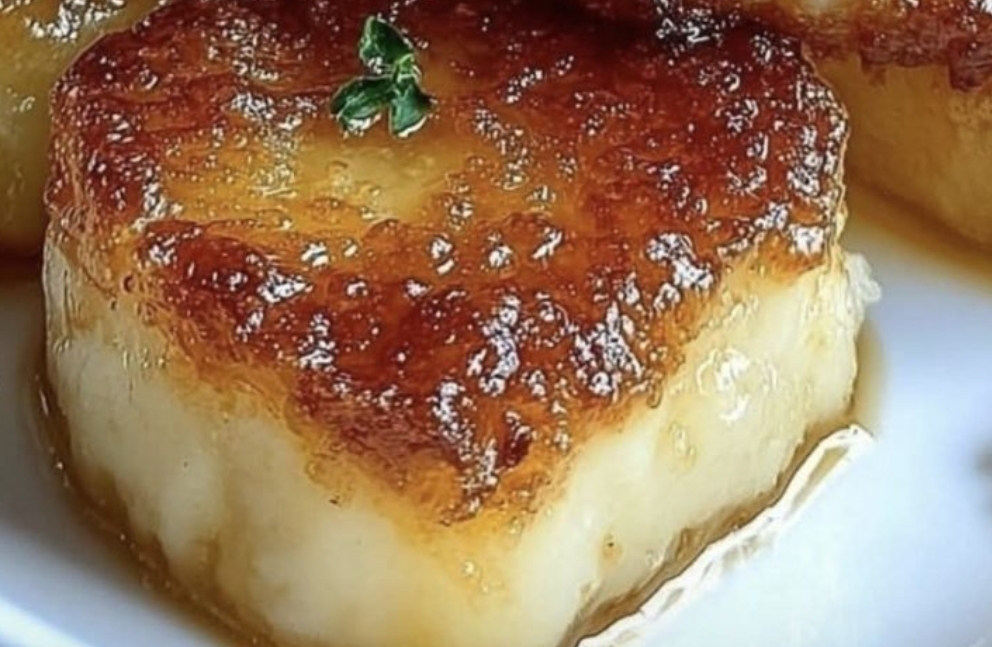
3-Ingredient Pan-Fried Halloumi: Crispy, Salty, and Delicious
Introduction
In a world of complex recipes and overflowing pantry requirements, there exists a rare and beautiful truth: perfection often requires very little. For the cheese lover, few experiences are as instantly gratifying as biting into a piece of perfectly cooked halloumi. It’s a study in contrasts: a shatteringly crisp, golden-brown crust giving way to a soft, yielding, and wonderfully salty interior that squeaks gently against your teeth. This 3-ingredient pan-fried halloumi recipe is not just a formula for a dish; it is an invitation to a simpler, more joyful way of cooking. It is quick, requiring barely 10 minutes from fridge to plate, and incredibly versatile, serving as a stellar snack, an impressive appetizer, or the hearty centerpiece of a light meal.
This recipe celebrates halloumi in its purest form, allowing its unique texture and rich, briny flavor to take center stage. Whether you are a seasoned cook looking for a reliable staple or a kitchen novice seeking a guaranteed win, this guide will walk you through not only the “how” but the “why,” transforming you from someone who simply fries cheese into a connoisseur of the crispy, the salty, and the utterly delicious.
Why Halloumi? The Science of the Squeak
To understand why halloumi behaves so magically in a hot pan, we must first understand what it is. Halloumi is a semi-hard, unripened, brined cheese traditionally made from a mixture of sheep’s and goat’s milk on the Mediterranean island of Cyprus. Its production is protected under the European Union’s Protected Designation of Origin (PDO), meaning true “Halloumi” must hail from Cyprus.
The secret to its grill-ability and fry-ability lies in its unique preparation. During the cheesemaking process, the curds are heated to a very high temperature in the whey. This high-heat treatment fundamentally changes the protein structure of the cheese. The milk proteins, primarily casein, denature and form a tight, robust network that is exceptionally resilient. When most cheeses (like cheddar or mozzarella) are heated, their protein structure breaks down, and the fat and water separate, leading to a melted, gooey pool. Halloumi’s pre-cooked proteins are already stable; they refuse to break down a second time. Instead of melting, it softens, holds its shape, and when exposed to direct, dry heat, its surface undergoes the Maillard reaction.
The Maillard reaction is the complex chemical process responsible for the browning and development of rich, savory flavors in cooked foods. It’s what gives seared steak, toasted bread, and, yes, fried halloumi its beautiful color and deep, umami-packed taste. The high heat draws moisture from the surface of the cheese, allowing the sugars and amino acids to react and create hundreds of new flavor compounds. The result is that irresistible golden crust.
And what of the famous squeak? That auditory signature of fresh halloumi is caused by its protein and moisture matrix rubbing against the enamel of your teeth. The long, elastic protein strands and the water trapped within them create a vibration as you chew, resulting in that characteristic sound. It’s a sign of freshness and a uniquely satisfying sensory experience.
The Story Behind the Recipe: A Kitchen of Laughter and Cheese
My love affair with halloumi was not born in a gourmet kitchen or a fancy restaurant, but in a cramped, poorly ventilated college apartment. My friend Sarah, a Cypriot exchange student, was my culinary guide. Our kitchen was a place of experimentation, fueled by budget constraints and a shared sense of adventure.
One evening, after a particularly long day of lectures, Sarah emerged from our tiny fridge with a block of strange, white cheese. “Tonight,” she declared, “we make real food.” I watched, skeptical, as she sliced it and laid the pieces in a scorching hot, dry pan. I was waiting for it to melt into a mess, but instead, something miraculous happened. It began to sizzle and pop, releasing a salty, savory aroma that made my stomach growl. Golden spots appeared and spread like a sunrise across each slice. She flipped them, revealing a perfect, bronzed crust.
We ate it straight from the pan, burning our fingers and our tongues, drizzling it with lemon juice that hissed and sizzled on contact. The sound, the texture, the intense flavor—it was a revelation. That simple act of frying cheese became our ritual. The smell of sizzling halloumi became synonymous with laughter, deep conversations, and the simple, profound joy of sharing a good meal with a good friend. This recipe, therefore, is more than the sum of its parts. It is a vessel for warmth, for memory, and for the cheesy, joyful adventures that connect us.
The Ingredients: A Deeper Dive
The beauty of this recipe is in its simplicity. Each component plays a critical, non-negotiable role.
- 250g Halloumi Cheese – The Star of the Dish
This is your protagonist. When selecting your halloumi, look for a block that feels firm and springs back slightly when pressed. It should be swimming in its brine within the packet; this brine is what keeps it moist and preserved. Avoid any packages that are bloated or leaking. The color should be a bright, clean white. While traditional halloumi is made from sheep and goat milk, many commercial varieties now use cow’s milk, which is also excellent and often more readily available. Cow’s milk halloumi tends to be slightly milder and less salty, but it still possesses that magical frying quality. For the authentic, robust flavor, seek out a sheep-and-goat milk blend if you can. - 2 Tablespoons Olive Oil – The Conductor of Heat
Olive oil is not just a medium to prevent sticking; it is an active participant in flavor and texture development. Its job is to efficiently transfer heat from the pan to the cheese, ensuring an even, golden crust. Extra virgin olive oil (EVOO) has a lower smoke point than refined olive oils, but for this quick-fry method, its robust, fruity, and sometimes peppery notes are a wonderful complement to the saltiness of the cheese. The oil will become infused with the halloumi’s flavor, creating a delicious base that can be used in accompanying dishes. If you are concerned about smoke, a good quality light olive oil or even a neutral oil like avocado oil will work perfectly. - Freshly Squeezed Lemon Juice (Optional) – The Bright Counterpoint
While technically optional, the lemon juice is what elevates this dish from great to sublime. The sharp, clean acidity of fresh lemon performs a crucial balancing act. It cuts through the inherent richness and saltiness of the fried cheese, lifting the entire flavor profile and adding a layer of refreshing brightness. It’s the squeeze that makes the flavors “pop.” Do not use bottled lemon juice; its flat, often metallic taste cannot compare to the vibrant complexity of freshly squeezed citrus.
The Method: Mastering the Art of the Fry
The process is simple, but mastery lies in the details. Follow these steps for foolproof, restaurant-quality pan-fried halloumi every single time.
Step 1: Preparation is Key
Remove the halloumi from its packet and discard the brine.Pat the block thoroughly dry with paper towels. This is a critical step often overlooked. Any excess surface moisture will steam the cheese rather than sear it, preventing that coveted crispy crust. A dry surface is a brownable surface.
Step 2: The Perfect Slice
Slice the halloumi into pieces approximately ½-inch(about 1 cm) thick. This is the ideal thickness. Any thinner, and the slices risk becoming too crisp and losing their soft interior. Any thicker, and the outside may burn before the inside has warmed through and softened. You can also slice them into “fingers” or cubes for a different presentation or for skewers.
Step 3: Heating the Pan
Place a heavy-bottomed skillet(cast iron or stainless steel are ideal for their excellent heat retention) over medium-high heat. Let it get properly hot before adding the oil. You should be able to feel the heat radiating from the surface when you hold your hand a few inches above it. Add the 2 tablespoons of olive oil and swirl to coat the pan.
Step 4: The Sizzle
Carefully lay the halloumi slices in the hot oil.They should sizzle immediately upon contact. This initial sizzle is the sound of moisture violently escaping and the Maillard reaction beginning. Do not overcrowd the pan. Leave space between each slice to ensure they fry rather than steam. If necessary, cook in two batches.
Step 5: The Patient Wait
This is the hardest part:do not touch the cheese! Let it cook undisturbed for 2-3 minutes. You will see the edges beginning to turn a light golden brown, and the sides of the slices will start to look cooked. Peek underneath one slice. If it has a deep, golden-brown crust, it’s ready to flip.
Step 6: The Flip and Finish
Using tongs or a spatula,flip each slice. You will be greeted by a beautifully bronzed surface. Cook for another 1-2 minutes on the second side until it is equally golden. The second side often cooks slightly faster, so keep a watchful eye.
Step 7: The Finale
Immediately transfer the fried halloumi to a plate.Do not let it sit in the hot pan, as it will continue to cook and can become tough. If using, drizzle the freshly squeezed lemon juice over the hot cheese. The sizzle and aroma this creates is part of the final magic.
Troubleshooting: From Good to Golden
· My halloumi is sticking to the pan! This usually means the pan wasn’t hot enough before the cheese was added, or you tried to flip it too early. Ensure a proper pre-heat and wait for a natural crust to form; it will release from the pan when it’s ready.
· It’s burning too quickly! Your heat is too high. Halloumi needs a confident medium-high heat, not a raging inferno. Lower the heat slightly for the next batch. The goal is a steady, aggressive sizzle that allows the inside to warm up while the outside browns.
· It’s not browning and is turning rubbery. The pan was not hot enough, leading the cheese to steam and sweat out its moisture rather than sear. It can also happen if the halloumi was not patted dry. Ensure a hot pan and a dry surface.
· It’s too salty for my taste. You can mitigate this by soaking the halloumi in cold water or milk for 10-30 minutes before patting it dry and frying. This draws out some of the surface salt. Alternatively, the lemon juice is essential for balancing the saltiness.
Beyond the Plate: Serving Suggestions and Culinary Adventures
Pan-fried halloumi is a culinary chameleon. While sublime on its own, its ability to play well with others is legendary.
As a Standalone Appetizer or Snack:
Serve it immediately with lemon wedges and a sprinkle of fresh,chopped herbs like mint, parsley, or oregano. A drizzle of high-quality honey or a pomegranate molasses creates a stunning sweet-and-salty contrast.
In Salads:
Add a protein-packed,crispy element to your salads. It’s phenomenal tossed into a Mediterranean salad with cucumber, tomatoes, red onion, Kalamata olives, and a oregano-vinaigrette. It also transforms a simple watermelon and mint salad into a gourmet experience.
In Sandwiches and Wraps:
Use it as a vegetarian”cutlet.” Pile the warm halloumi into pita bread or flatbread with hummus, tabbouleh, fresh veggies, and a garlicky yogurt sauce.
For Breakfast:
Serve alongside fried eggs,roasted tomatoes, and sautéed spinach for a decadent and satisfying start to the day.
As Part of a Mezze Platter:
Arrange the fried halloumi on a large platter alongside bowls of olives,hummus, baba ganoush, stuffed grape leaves, and warm pita bread for a spectacular sharing feast.
Global Twists:
· Mexican: Sprinkle with chili powder and a squeeze of lime. Serve with avocado crema.
· Italian: Top with a spoonful of pesto and sun-dried tomatoes.
· Indian: Dust with garam masala or cumin before frying and serve with a cool mint-coriander chutney.
Conclusion: The Joy of Simplicity
In the end, this 3-ingredient pan-fried halloumi recipe is a testament to the power of simplicity. It proves that you don’t need a long list of exotic ingredients to create something truly extraordinary. You need only quality components, a little heat, and the willingness to embrace a moment of pure, unadulterated culinary joy. It’s a recipe that teaches patience, celebrates texture, and delivers immense satisfaction with minimal effort.
So, the next time you’re looking for a quick snack, an impressive starter, or a comforting bite, remember the block of cheese in your fridge that refuses to melt. Slice it, heat your pan, and in just ten minutes, you too can experience the crispy, salty, squeaky magic of perfectly fried halloumi. It’s more than a recipe; it’s a delicious little secret, waiting to be shared.