
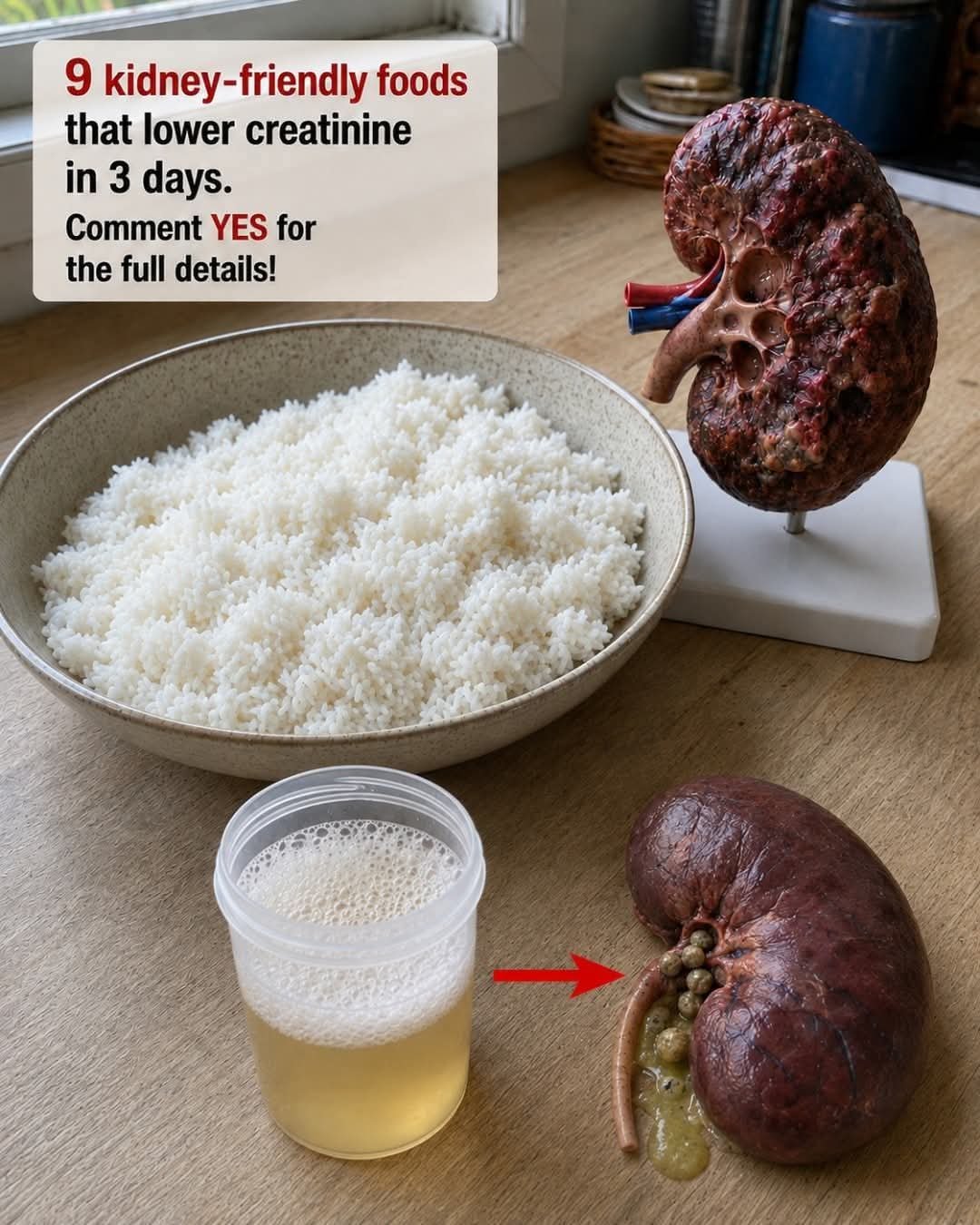
2 Spoonfuls Before Meals? What to Know About Blood Sugar & Kidney Health
Many people searching for natural ways to manage blood sugar come across a popular suggestion: taking two spoonfuls of a particular substance before meals. Whether it is apple cider vinegar, a fiber supplement, or a home remedy shared on social media, the idea sounds simple and inexpensive. But before adding any routine to your daily life, especially one connected to blood sugar and kidney health, it is worth understanding what the evidence actually says, where the risks lie, and when to speak with a healthcare professional.
This guide explains how blood sugar and kidney function are connected, what research shows about pre-meal habits, and how to approach diabetes and kidney care in a safe, informed way.
Why Blood Sugar and Kidney Health Are Connected
Your kidneys play a central role in filtering waste from your blood, balancing fluids and electrolytes, and helping regulate blood pressure. They also influence how your body handles glucose. When blood sugar stays high for long periods, the tiny filtering units in the kidneys, called nephrons, can become damaged. This condition is known as diabetic kidney disease, or diabetic nephropathy, and it is one of the leading causes of chronic kidney disease (CKD) and kidney failure worldwide.
Because of this link, managing blood sugar is one of the most important steps in protecting kidney function. Key markers doctors monitor include:
– Fasting blood glucose and HbA1c, which reflects average blood sugar over about three months
– eGFR (estimated glomerular filtration rate), which measures how well the kidneys filter blood
– Urine albumin-to-creatinine ratio (UACR), which detects early protein leakage in the urine
Early kidney damage often has no obvious symptoms, which is why routine lab testing matters so much for people with diabetes or prediabetes.
What Are the “2 Spoonfuls Before Meals” Claims?
The phrase “2 spoonfuls before meals” most often refers to one of several products promoted for blood sugar control:
– Apple cider vinegar, which some small studies suggest may slightly reduce post-meal glucose spikes
– Soluble fiber supplements such as psyllium husk, which can slow glucose absorption when taken with water before eating
– Herbal or home-made mixtures marketed as “natural” blood sugar regulators
Some of these ideas have a basis in research. Others come from anecdotal reports or marketing claims that have not been tested rigorously. It is important to separate what is proven from what is simply popular.
What the Research Actually Shows
Apple Cider Vinegar
Several small clinical trials have found that taking vinegar with a high-carbohydrate meal may modestly reduce the blood sugar rise after eating. However, these studies are typically brief, involve small numbers of participants, and do not show that vinegar replaces medication or improves long-term HbA1c or kidney outcomes. Apple cider vinegar is also acidic, and drinking undiluted vinegar can damage tooth enamel, irritate the throat, and interact with certain medications, including insulin and diuretics, by affecting potassium levels.
Soluble Fiber
Soluble fiber, such as psyllium, is well established as a tool for supporting healthy blood sugar and cholesterol levels. It forms a gel in the digestive tract that slows carbohydrate absorption. Major diabetes organizations recognize fiber-rich diets as beneficial. Still, fiber supplements must be taken with adequate water, spaced apart from other medications, and introduced gradually to avoid bloating or blockages in people with certain digestive conditions.
Herbal and Unregulated Products
Many supplements marketed for blood sugar lack standardized dosing and independent verification. Some have been found to contain undisclosed ingredients, including prescription drugs. For people with kidney disease, certain herbs can be especially risky because the kidneys are responsible for clearing many substances from the body.
Important Safety Considerations for Kidney Patients
If you have diabetes or kidney disease, adding any new remedy requires extra caution. Consider the following:
– Potassium levels: Some kidney patients must limit potassium. Certain vinegars, juices, and supplements can raise potassium to unsafe levels.
– Medication interactions: Blood sugar medications, blood pressure drugs, and diuretics can all interact with supplements.
– Fluid balance: Some kidney conditions require fluid restriction, so drinking large volumes of liquid remedies may be inappropriate.
– Hypoglycemia risk: Combining supplements with insulin or sulfonylureas may cause blood sugar to drop too low.
Never stop or change prescribed medications based on an online suggestion.
Evidence-Based Ways to Support Blood Sugar and Kidney Health
Instead of relying on a single pre-meal habit, the most effective strategies are comprehensive and sustained:
1. Eat a balanced diet rich in vegetables, whole grains, legumes, lean proteins, and healthy fats, while limiting refined sugars and processed foods.
2. Control portion sizes and spread carbohydrates evenly across meals.
3. Stay physically active. Regular exercise improves insulin sensitivity and supports healthy blood pressure.
4. Manage blood pressure, since high blood pressure accelerates kidney damage. Target ranges should be set with your doctor.
5. Take prescribed medications consistently, including those that protect the kidneys, such as ACE inhibitors, ARBs, and SGLT2 inhibitors when appropriate.
6. Avoid smoking and limit alcohol, both of which harm blood vessels and kidneys.
7. Stay hydrated within any limits your doctor sets.
8. Schedule regular screenings