
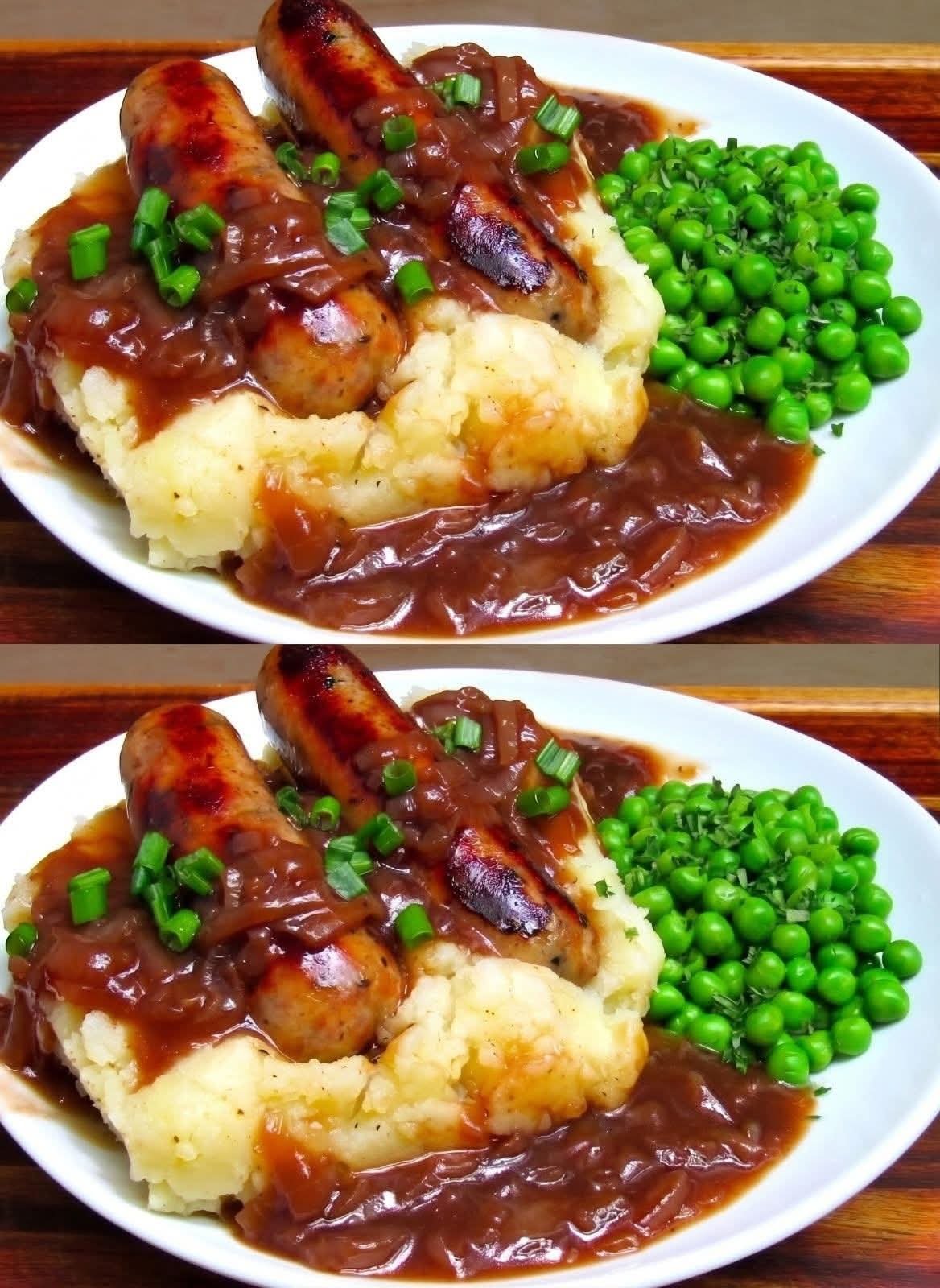
This Is Why You Should Stop Boiling Mashed Potatoes in Water
Mashed potatoes are a beloved comfort food, gracing our tables during holidays, family dinners, and week-night meals alike. Yet, many home cooks commonly boil their potatoes in water before mashing them, a practice that may actually diminish the dish’s ultimate flavor and texture. In this article, we’ll explore why you should rethink the way you prepare your mashed potatoes and consider alternative methods that yield superior results.
The Science Behind Mashed Potatoes
To understand why boiling potatoes isn’t the best method, it’s essential first to recognize the chemistry involved. Potatoes are made up of starch and water, and the technique you use to cook them significantly affects their moisture content and the resulting texture.
When you boil potatoes, they absorb water, which can lead to a watery and gummy mash. Additionally, boiling can cause the starch granules to burst and release more moisture than desired. The result? Mashed potatoes that are bland and lack that creamy, fluffy consistency most people crave.
Alternative Methods for Perfect Mashed Potatoes
1. Steaming Potatoes
One of the most effective ways to prepare potatoes for mashing is to steam them. This method helps cook the potatoes evenly while preventing them from absorbing excess water. Here’s how to do it:
How to Steam Potatoes:
– Cut your potatoes: Chop them into even-sized pieces to ensure uniform cooking.
– Place them in a steamer basket: Add about an inch of water to a pot, bring it to a boil, and then place the steamer basket with the potatoes inside.
– Steam until tender: Cook them for about 10-15 minutes or until a fork easily pierces the potatoes.
– Mash them immediately: Serve with your favorite ingredients for a creamy finish.
2. Baking Potatoes
Baking potatoes is another technique that enhances flavor and texture. By cooking the potatoes in their skins, you can maximize their natural flavors and minimize moisture absorption.
How to Bake Potatoes:
– Preheat your oven to 425 degrees Fahrenheit.
– Scrub the potatoes clean: You can use any potato variety, but russet potatoes are especially popular.
– Pierce the skins: Use a fork to poke holes, allowing steam to escape.
– Wrap them in foil: This step is optional, but wrapping helps steam them for a fluffier texture.
– Bake for 45 minutes to an hour: Make sure they’re tender by testing with a fork.
– Scoop and mash: Once they’re cool enough to handle, cut them open and scoop the flesh into a bowl for mashing.
3. Boiling with a Twist
If you still prefer boiling, consider doing it differently. Instead of a full boil, you can opt for a technique called “parboiling,” which involves cooking the potatoes partly before the actual boiling process.
How to Parboil Potatoes:
– Cut potatoes into larger chunks: This helps reduce the boiling time while preventing excessive moisture absorption.
– Add potatoes to boiling salted water: Don’t start with cold water, as that encourages absorption.
– Cook until just fork-tender: This usually takes about 5-7 minutes.
– Drain and let them dry: Allowing some steam to escape will help maintain the ideal moisture level for mashing.
Enhancing Flavor and Texture
Once you’ve cooked your potatoes using one of the above methods, it’s time to focus on flavor enhancement to create mouthwatering mashed potatoes. Here are some additives you may consider:
Butter and Cream
The classic combination of butter and cream (or milk) adds richness to your mashed potatoes. Opt for unsalted butter for more control over flavor and add warmed cream for a velvety texture.
Garlic
If you’re a fan of garlic, consider roasting cloves and mixing them into your mash. Roasted garlic brings a sweet, mellow flavor that can elevate your dish substantially.
Cheese
Parmesan, cheddar, or even cream cheese can impart a new flavor dimension. Mixing in shredded cheese while mashing helps it melt beautifully.
Fresh Herbs
Incorporating fresh herbs like chives, rosemary, or thyme adds freshness and a pop of color, making your mashed potatoes visually appealing and packed with a delightful taste.
The Importance of Temperature
Another critical factor in making perfect mashed potatoes lies in the temperature of your ingredients. Using cold milk or cream in cold butter will lead to lukewarm mashed potatoes rather than the warm, comforting side dish everyone loves.
What to Remember About Temperature:
– Use warm dairy: Heat your cream before mixing it into the potatoes.
– Add butter at room temperature: This creates a smoother, more cohesive mash.
Conclusion
If you’ve been boiling your mashed potatoes, it might be time to explore these alternative cooking methods. Steaming, baking, or parboiling can lead to a higher quality dish with better flavor and texture. Remember, caring for your ingredients and using the right techniques will result in creamy, flavorful mashed potatoes that are bound to impress your family and friends. By following these tips, you’ll ensure that your mashed potatoes become a beloved staple, rich with tradition and taste. Next time you’re preparing this comfort food classic, embrace these methods and watch your mashed potatoes transform into something truly exceptional!