
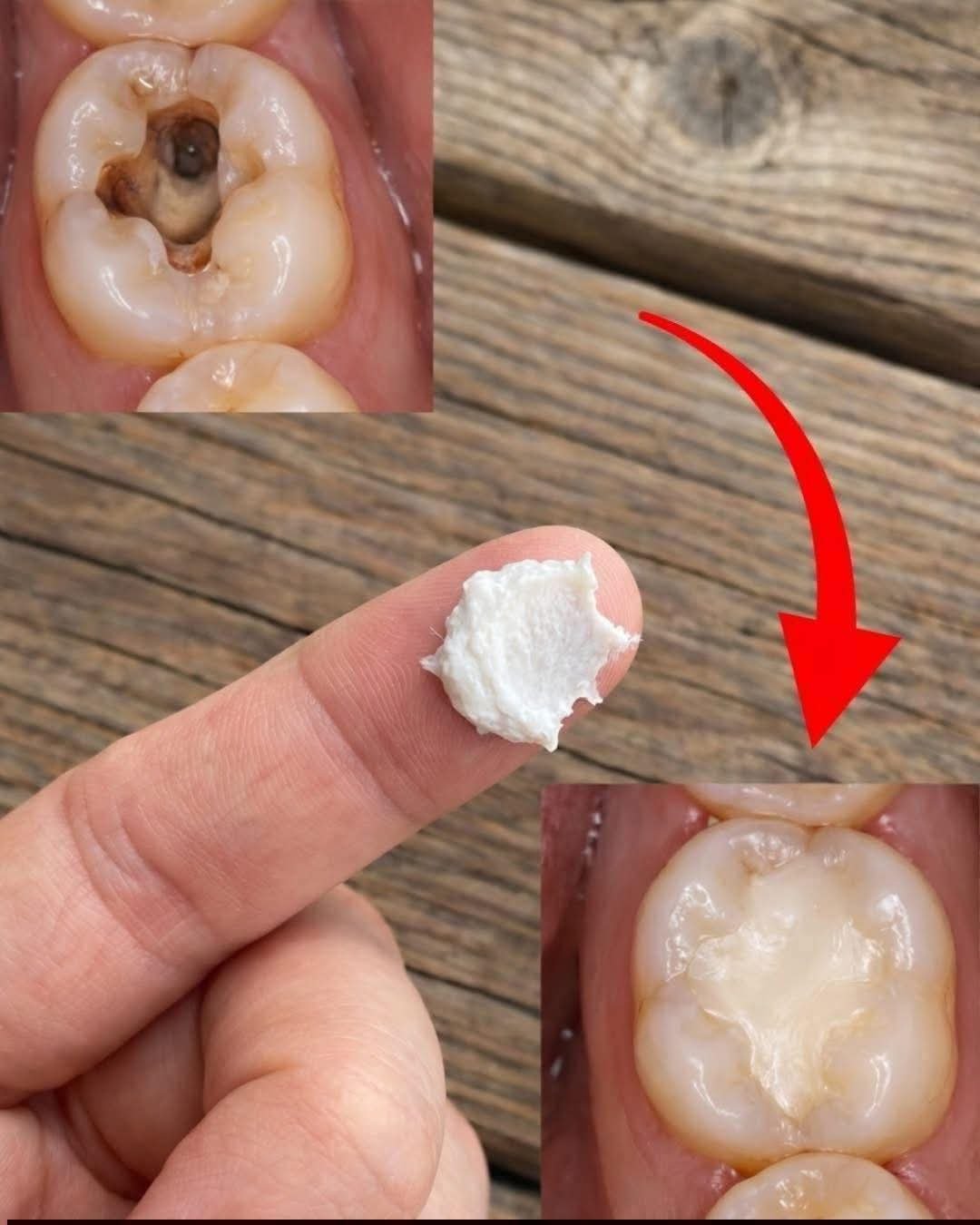
5 Simple Natural Home Remedies to Help Prevent Cavities and Support Healthy Teeth
Maintaining good oral health is essential for overall well-being, and preventing cavities is a critical part of this process. While regular dental check-ups and professional cleanings play a vital role, incorporating home remedies can offer additional support for cavity prevention and healthy teeth. In this article, we will explore five simple natural home remedies to help you safeguard your precious smile.
1. Coconut Oil Pulling
Coconut oil pulling is an ancient Ayurvedic practice that is gaining popularity as a natural remedy for oral health. It involves swishing a tablespoon of coconut oil in your mouth for about 15-20 minutes. This practice helps reduce harmful bacteria in the mouth, which can lead to cavities and gum disease.
Benefits of Coconut Oil Pulling
– Antimicrobial Properties: Coconut oil contains lauric acid, which has antimicrobial properties that can kill harmful bacteria responsible for tooth decay.
– Reduces Plaque Formation: Regular oil pulling can significantly lower plaque accumulation on teeth, contributing to healthier gums.
– Whitens Teeth: Coconut oil pulling can help enhance the brightness of your teeth over time.
How to Use Coconut Oil Pulling
1. Take one tablespoon of organic coconut oil.
2. Swish it around your mouth for 15-20 minutes.
3. Spit it out in the trash (not the sink).
4. Rinse your mouth with warm water and brush your teeth as usual.
Incorporate coconut oil pulling into your daily routine to promote oral health effectively.
2. Baking Soda Toothpaste
Baking soda, or sodium bicarbonate, is a common ingredient in many commercial toothpastes due to its mild abrasiveness and alkalinity. Creating a homemade baking soda toothpaste is an effective way to help prevent cavities.
Benefits of Baking Soda
– Natural Abrasive: Baking soda effectively removes stains from teeth without damaging enamel.
– Neutralizes Acids: It helps neutralize the acidity in your mouth, reducing the risk of enamel erosion and cavities.
– Whitens Teeth: Users often notice a brighter smile with regular use.
How to Make Baking Soda Toothpaste
1. Mix two tablespoons of baking soda with enough water to create a paste.
2. Optionally, add a few drops of essential oils such as peppermint for flavor.
3. Use this mixture as a toothpaste while brushing your teeth.
Use baking soda toothpaste once or twice a week for optimal results.
3. Green Tea Rinse
Green tea is renowned for its numerous health benefits, including oral health support. Drinking or rinsing with green tea can help fight cavities due to its antibacterial and antioxidant properties.
Benefits of Green Tea
– Antioxidants: Green tea is rich in catechins, which fight against harmful bacteria in the mouth and support gum health.
– Reduces Bad Breath: The polyphenols in green tea can help eliminate bad breath caused by bacteria in the mouth.
– Strengthens Teeth: Regular consumption may help strengthen tooth enamel and reduce cavities.
How to Use Green Tea as a Rinse
1. Brew a cup of green tea and let it cool slightly.
2. Use it as a mouthwash, swishing it around for several minutes.
3. Spit it out and avoid rinsing with water afterward for maximum benefit.
Enjoying green tea daily can contribute to a healthier mouth and reduce the risk of cavities.
4. Neem Twigs
Neem, a tree native to India, has been used for centuries in traditional medicine, particularly for its dental benefits. Chewing on neem twigs can promote dental hygiene and prevent cavities naturally.
Benefits of Neem Twigs
– Antibacterial Properties: Neem has strong antibacterial qualities that help fight bacteria that cause tooth decay and gum disease.
– Natural Anti-inflammatory: It helps reduce inflammation in gums and supports overall dental health.
– Promotes Fresh Breath: Regular use can contribute to fresher breath by eliminating bacteria.
How to Use Neem Twigs
1. Choose a fresh neem twig and chew on one end until it becomes soft.
2. Use the softened end to brush your teeth gently.
3. Rinse your mouth afterward for freshness.
Incorporating neem twigs into your dental care routine can naturally support your path to healthy teeth.
5. Clove Oil Application
Clove oil is celebrated for its potent medicinal properties, especially due to its natural analgesic and antiseptic traits. It is an effective remedy for tooth pain and can help fight cavities when used correctly.
Benefits of Clove Oil
– Eugenol Content: Clove oil contains eugenol, a compound with strong antiseptic properties that can help prevent tooth decay.
– Pain Relief: It is widely known for providing relief from toothache and discomfort related to dental issues.
– Promotes Gum Health: Clove oil helps in reducing inflammation and supporting gum health.
How to Use Clove Oil
1. Mix a drop of clove oil with a teaspoon of carrier oil (like coconut oil).
2. Apply the mixture directly to the affected area using a cotton ball.
3. Leave it on for a few minutes before rinsing thoroughly.
Using clove oil can be a powerful addition to your oral health routine, particularly when dealing with tooth sensitivity or pain.
Conclusion
Preventing cavities and supporting healthy teeth can be achieved naturally through various home remedies. Incorporating practices like coconut oil pulling, baking soda toothpaste, green tea rinses, neem twigs, and clove oil applications can significantly enhance your oral health. By adopting these simple remedies into your daily routine, you can work towards maintaining a beautiful, healthy smile. Always remember, while these natural remedies can support oral health, they should not replace regular dental visits and advice from dental professionals. For optimal results, combine these practices with a balanced diet, proper hygiene, and routine check-ups for the best results in cavity prevention and healthy teeth.