
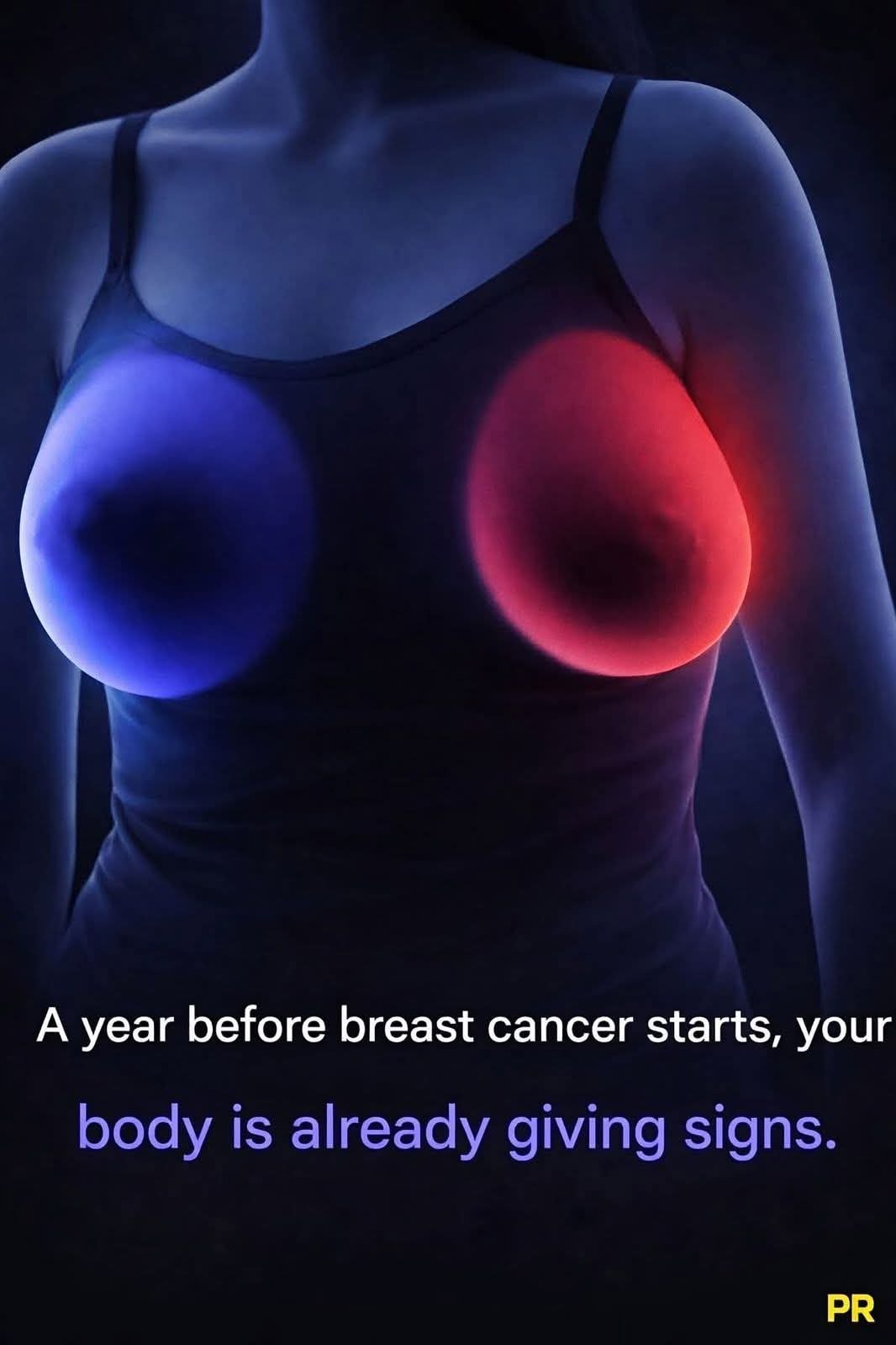
Breast Cancer: 4 Early Signs Every Woman Should Know
Breast cancer is a serious health concern affecting millions of women worldwide. Understanding the early signs can lead to timely diagnosis and improved treatment outcomes. This article explores four early signs of breast cancer that every woman should be aware of, as well as important information regarding risk factors, prevention, and when to see a doctor.
Understanding Breast Cancer
Breast cancer occurs when cells in the breast begin to grow uncontrollably. These cells can form tumors, which can be benign (non-cancerous) or malignant (cancerous). Early detection through screening techniques like mammograms can significantly improve the chances of successful treatment, but knowing the personal signs to look for can also play a critical role.
The American Cancer Society states that approximately 1 in 8 women will develop invasive breast cancer over their lifetime. Familiarizing oneself with the early warning signs is essential for early intervention.
1. Changes in Breast Size or Shape
One of the most noticeable early signs of breast cancer is an unexpected change in the size or shape of the breast. Women should be vigilant about observing both breasts regularly, as even subtle differences can be indicative of underlying issues. An increase in breast size—particularly if it occurs rapidly and in just one breast—can signal a problem. Other changes may include:
– Swelling or enlargement of one breast
– Dimpling or alteration in the skin texture
– A distortion or asymmetry in the appearance of the breasts
If you notice any unusual changes, it’s essential to consult with a healthcare professional for further evaluation.
2. Presence of a Lump or Mass
The presence of a lump or mass in the breast is often one of the first signs of breast cancer that women identify. While most breast lumps are not cancerous, it is crucial to seek medical advice if a new lump is discovered. Here’s what to keep in mind:
– Lumps can occur in different areas of the breast, and their size, shape, and texture should be noted.
– They can be hard, firm, and irregular or soft and rounded.
– Some lumps may be accompanied by tenderness or may be painless.
Breast self-exams should be part of your regular health routine. Being familiar with your breast tissue can aid in the early detection of any anomalies.
3. Changes in the Skin Over the Breast
Skin changes may seem minor, but they can point to more serious issues. Healthy breast tissue typically has smooth skin. If you observe any of the following skin abnormalities, it is important to consult a doctor:
– Redness: Areas of the breast or the nipple may become red, indicating inflammation.
– Rashes or Peeling: This could be a hallmark of Paget’s disease, a rare form of breast cancer that affects the skin and tissues of the nipple.
– Dimpling or Pitting: The skin may also appear to be dimpling or pitting, similar to the texture of an orange peel.
These visual changes can occur due to various factors, and prompt medical evaluation is necessary to rule out breast cancer.
4. Nipple Discharge
While nipple discharge can occur due to various benign conditions, any unexpected or unusual discharge, particularly one that is bloody, should be addressed immediately. Consider the following points regarding nipple discharge:
– Discharge from one breast is more concerning than from both.
– Discharge can be clear, yellow, greenish, or bloody.
– Changes accompanying the discharge, such as pain or swelling, increase the need for a thorough investigation.
Should any of these symptoms arise, a comprehensive assessment by a healthcare provider is warranted.
Risk Factors for Breast Cancer
Several factors can increase a woman’s risk of developing breast cancer, including:
– Age: Women over the age of 55 are at higher risk.
– Genetics: Family history of breast cancer, specifically mutations in the BRCA1 or BRCA2 genes.
– Lifestyle Choices: Factors such as smoking, excessive alcohol consumption, obesity, and lack of physical activity can contribute to increased risk.
– Personal Health History: Previous breast cancer or certain benign breast conditions can elevate risk.
It’s essential for women to be aware of their risk factors and discuss them with their healthcare provider.
Prevention and Screening
Taking proactive steps plays a crucial role in breast cancer prevention. Here are effective measures that can help reduce the risk:
– Regular Screenings: Follow recommended guidelines for mammograms and clinical breast exams based on age and risk factors.
– Healthy Diet: A balanced diet rich in fruits, vegetables, whole grains, and lean proteins can contribute to overall health.
– Physical Activity: Engaging in regular exercise helps maintain a healthy weight and reduces risk.
– Limit Alcohol Consumption: Keeping alcohol intake to a minimum can lower breast cancer risk.
When to See a Doctor
If you experience any of the early signs of breast cancer, it is crucial to make an appointment with your healthcare provider without delay. Early intervention can make all the difference in diagnosis and treatment options.
Additionally, women should conduct regular breast self-exams and stay informed about the importance of screening tests.
Conclusion
Breast cancer is a significant health risk for women, but understanding the early signs can empower you to take action. Changes in breast size or shape, the presence of lumps, skin changes, and unexpected nipple discharge are crucial indicators that should not be ignored. With routine self-checks, awareness of risk factors, and timely medical evaluations, women can take significant steps towards early detection and improve their chances of successful treatment. Make breast health a priority and consult with healthcare professionals regularly for optimal outcomes.
By arming yourself with knowledge and engaging in preventive measures, you can take charge of your breast health and contribute to a culture of awareness and early intervention.