
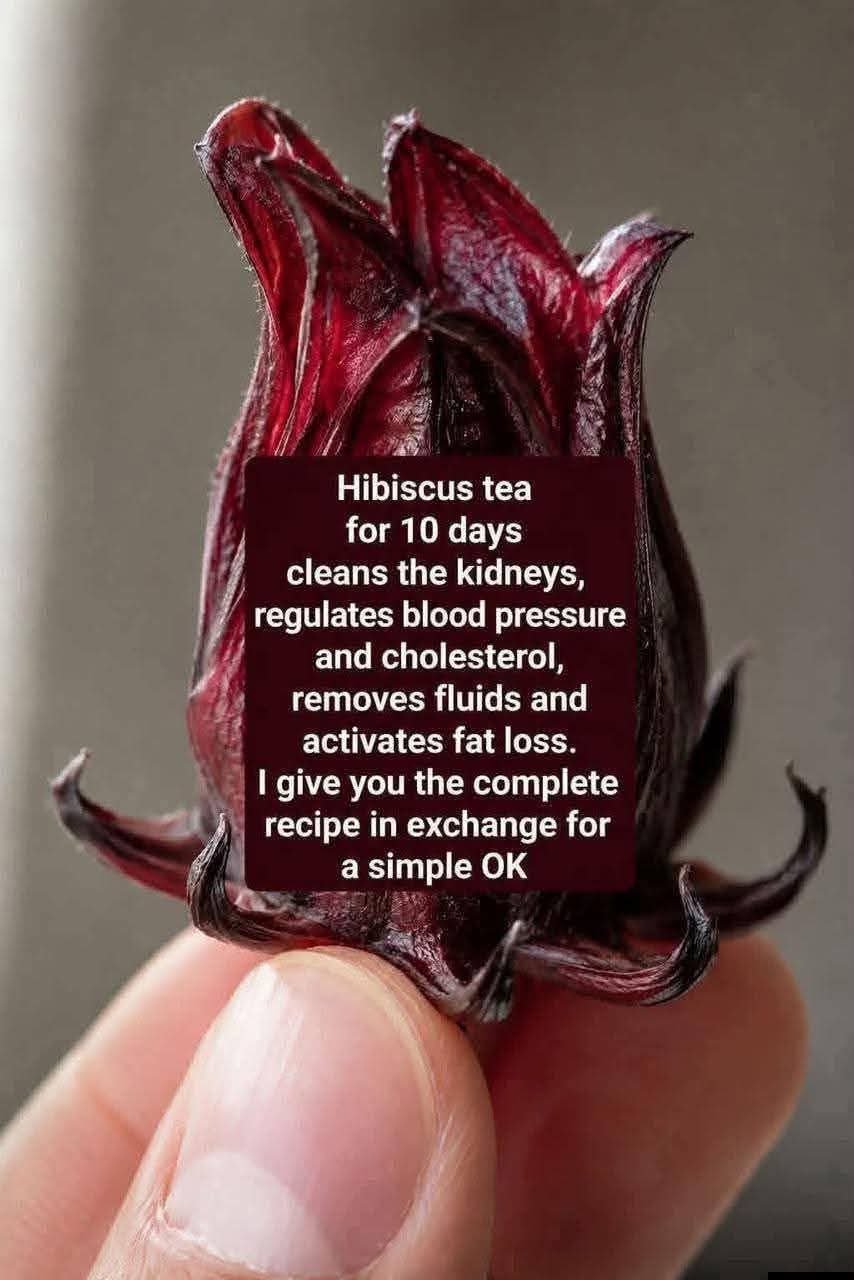
Hibiscus Tea: A Natural Elixir for Heart Health, Circulation, and Fluid Balance
Hibiscus tea has gained significant popularity in recent years as a herbal beverage packed with health benefits. This vibrant red tea, made from the dried petals of the hibiscus flower, is not only delicious but also a powerful ally for heart health, circulation, and fluid balance. In this comprehensive article, we will explore the various benefits of hibiscus tea, delve into its nutritional profile, and provide insights on how to incorporate it into your daily routine.
Understanding Hibiscus Tea
Hibiscus tea, also known as hibiscus sabdariffa, is a herbal tea derived from the calyces of the hibiscus flower. This tea is caffeine-free and has a tart, cranberry-like flavor, making it a refreshing alternative to traditional teas. Rich in antioxidants, vitamins, and minerals, hibiscus tea has been utilized in various cultures for centuries, praised for its medicinal properties.
Nutritional Profile of Hibiscus Tea
Hibiscus tea is rich in several key nutrients that contribute to its health benefits. Some notable components include:
– Antioxidants: Hibiscus tea is loaded with antioxidants such as anthocyanins and flavonoids, which help combat oxidative stress and inflammation.
– Vitamin C: This essential vitamin plays a crucial role in immune function and skin health, while also aiding in iron absorption.
– Minerals: Hibiscus tea contains minerals such as calcium, magnesium, and potassium, all of which are important for maintaining healthy bodily functions.
Heart Health and Hibiscus Tea
One of the most significant benefits of hibiscus tea lies in its potential to support heart health. Studies have shown that hibiscus tea can help lower blood pressure, making it a natural remedy for hypertension.
Blood Pressure Regulation
Research indicates that hibiscus tea may help lower systolic and diastolic blood pressure in individuals with prehypertension and mildly elevated systolic blood pressure. The bioactive compounds in hibiscus act as natural diuretics, helping reduce the volume of blood and, subsequently, the pressure on heart arteries. This makes hibiscus tea an excellent choice for those looking to maintain normal blood pressure levels.
Cholesterol Management
In addition to blood pressure benefits, hibiscus tea may also help improve lipid profiles. Some studies have shown a decrease in LDL (bad cholesterol) levels and an increase in HDL (good cholesterol) among regular hibiscus tea drinkers. Maintaining a healthy cholesterol level is essential for reducing the risk of heart disease and improving overall heart health.
Enhanced Circulation
Hibiscus tea is also believed to support healthy circulation, which is crucial for overall cardiovascular health. Improved circulation not only helps ensure an adequate supply of oxygen and nutrients to the body but also promotes the efficient elimination of waste products.
Antioxidant Effects on the Circulatory System
The antioxidants found in hibiscus tea, particularly anthocyanins, play a vital role in enhancing blood circulation. They help improve the flexibility of blood vessels, reducing their stiffness and facilitating easier blood flow. This can lead to improved organ function and may enhance physical performance during exercise.
Fluid Balance and Hydration
Another significant health benefit of hibiscus tea is its role in fluid balance and hydration. Staying hydrated is essential for maintaining optimal bodily functions, including temperature regulation, digestion, and joint lubrication.
Natural Diuretic Properties
Hibiscus tea is known for its mild diuretic properties, which can help promote healthy fluid balance. By increasing urine production, hibiscus tea may assist in flushing out excess fluids and toxins from the body. This can be particularly beneficial for individuals who experience water retention or bloating.
How to Prepare Hibiscus Tea
Making hibiscus tea is simple and can be enjoyed either hot or cold. Here is a basic recipe to get you started:
Ingredients
– 1/4 cup dried hibiscus flowers
– 4 cups of water
– Honey or sweetener of choice (optional)
– Lemon or lime slices (optional)
Instructions
1. Boil the Water: In a saucepan, bring the water to a boil.
2. Add Hibiscus Flowers: Once the water reaches a rolling boil, remove it from the heat and add the dried hibiscus flowers.
3. Steep: Cover and let the mixture steep for about 15 to 20 minutes, allowing the flavors and nutrients to infuse.
4. Strain: After steeping, strain the tea to remove the hibiscus flowers.
5. Serve: You can enjoy it warm or chill it in the refrigerator for a refreshing iced tea. Add honey or lemon for extra flavor if desired.
Conclusion
Hibiscus tea is not only a delightful beverage; it is a natural elixir for heart health, improved circulation, and proper fluid balance. With its rich nutritional profile and array of health benefits, incorporating hibiscus tea into your daily routine can be a simple yet effective way to support your overall health and well-being. Whether you enjoy it hot or iced, this delightful tea could become your go-to drink for health enhancement. Always consult with a healthcare professional before making any significant changes to your diet, especially if you have existing health conditions or are on medication. Sip on hibiscus tea and enjoy its vibrant flavors while reaping its numerous health benefits!