
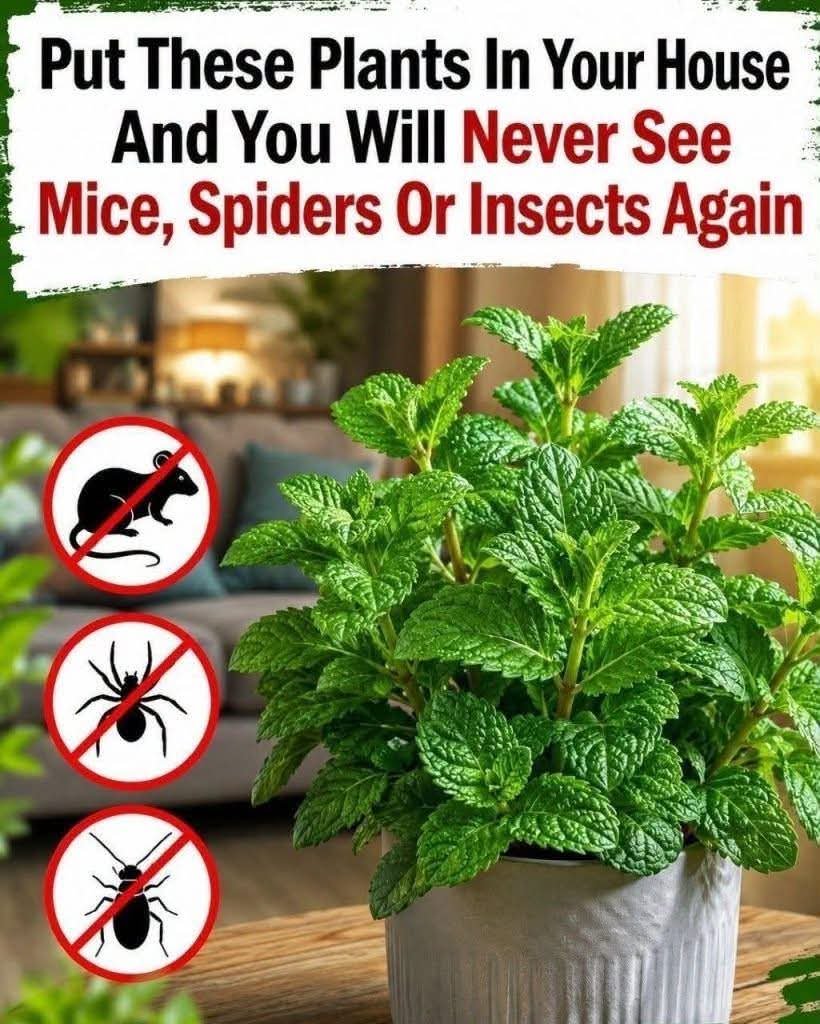
8 Plants that Help Repel Mice, Spiders & Other Insects
When it comes to pest control, many homeowners are searching for natural solutions to keep their living spaces free from unwanted visitors like mice, spiders, and other insects. One effective and eco-friendly option is utilizing plants that naturally repel these pests. In this article, we’ll explore eight plants known for their insect-repelling properties, and how you can incorporate them into your home and garden for greater peace of mind.
1. Peppermint (Mentha × piperita)
Peppermint is not just a popular flavor for gum and candy; it’s also a potent pest repellent. The strong scent of peppermint is known to deter mice, spiders, and even ants. Planting peppermint in your garden or placing pots indoors can be an effective way to keep these pests at bay. Additionally, peppermint oil can be used as a natural insect repellent; dilute it with water and spray it around entry points in your home.
2. Lavender (Lavandula)
Lavender is more than just a delightful fragrance; it’s a fantastic plant for repelling insects. The scent of lavender is known to keep fleas, mosquitoes, and flies away. Plant lavender in your garden or keep dried lavender bundles in your home to ward off these troublesome pests. Not only does it serve as an insect repellent, but it also creates a calming atmosphere with its soothing aroma.
3. Eucalyptus (Eucalyptus globulus)
Known for its refreshing scent, eucalyptus has natural properties that repel spiders, mosquitoes, and even some rodents. This hardy plant can grow well in various conditions, making it a versatile option for pest control. You can use eucalyptus oil to make sprays or apply it around windows and doors to deter pests from entering your home. Furthermore, eucalyptus oil is commonly used in aromatherapy, adding another value to this multifunctional plant.
4. Citronella (Cymbopogon nardus)
Citronella is closely associated with outdoor comfort, especially during summer months. This fragrant grass is well-known for its ability to repel mosquitoes effectively. By planting citronella in your garden or placing pots around outdoor seating areas, you create a natural barrier against these bothersome insects. Citronella candles and oil can also be used as an additional method of pest control for both home and outdoor spaces.
5. Basil (Ocimum basilicum)
Basil serves dual purposes: it’s an essential herb for culinary use and a natural insect repellent. Its strong aroma repels flies and mosquitoes, making it an excellent addition to kitchens and patios. Grow basil in pots in sunny areas of your home to keep pests away while enjoying its fresh flavor in meals. Plus, you can easily create homemade basil oil sprays for a non-toxic pest control solution.
6. Rosemary (Rosmarinus officinalis)
Rosemary is another culinary herb with significant pest-repelling capabilities. Its strong scent is known to ward off mosquitoes and other insects. Rosemary thrives in warm climates, making it an excellent choice for outdoor gardens. You can also grow it indoors in containers, creating an aromatic indoor garden that deters pests while being deliciously useful in your cooking.
7. Marigold (Tagetes)
Marigolds are not just beautiful garden flowers; they are also incredible pest deterrents. Their scent naturally repels mosquitoes, beetles, and nematodes. Consider planting marigolds around your vegetable garden to protect your crops while adding a splash of color. These flowers are easy to grow and require minimal care, making them a delightful and functional addition to any garden.
8. Catnip (Nepeta cataria)
Catnip is famed for its appeal to cats, but its essential oil is known to be a superb insect repellent. It can deter mosquitoes and cockroaches effectively. Planting catnip in your garden not only attracts playful cats but also helps keep various pests at bay. If you don’t have cats, the strong scent can still serve as a barrier against insects in your outdoor spaces.
Conclusion
Incorporating these eight plants into your home and garden can provide you with a natural and effective means of repelling mice, spiders, and other insects. Not only do they serve practical purposes in pest control, but they can also enhance the aesthetic appeal of your living space with their vibrant colors and delightful fragrances. Transitioning to eco-friendly pest control not only benefits your home but also contributes to a more sustainable environment. By nurturing these plants, you create a healthy living space while enjoying the many additional benefits they offer, including culinary uses and fragrant air. So why wait? Start planting today and enjoy a pest-free home naturally!