
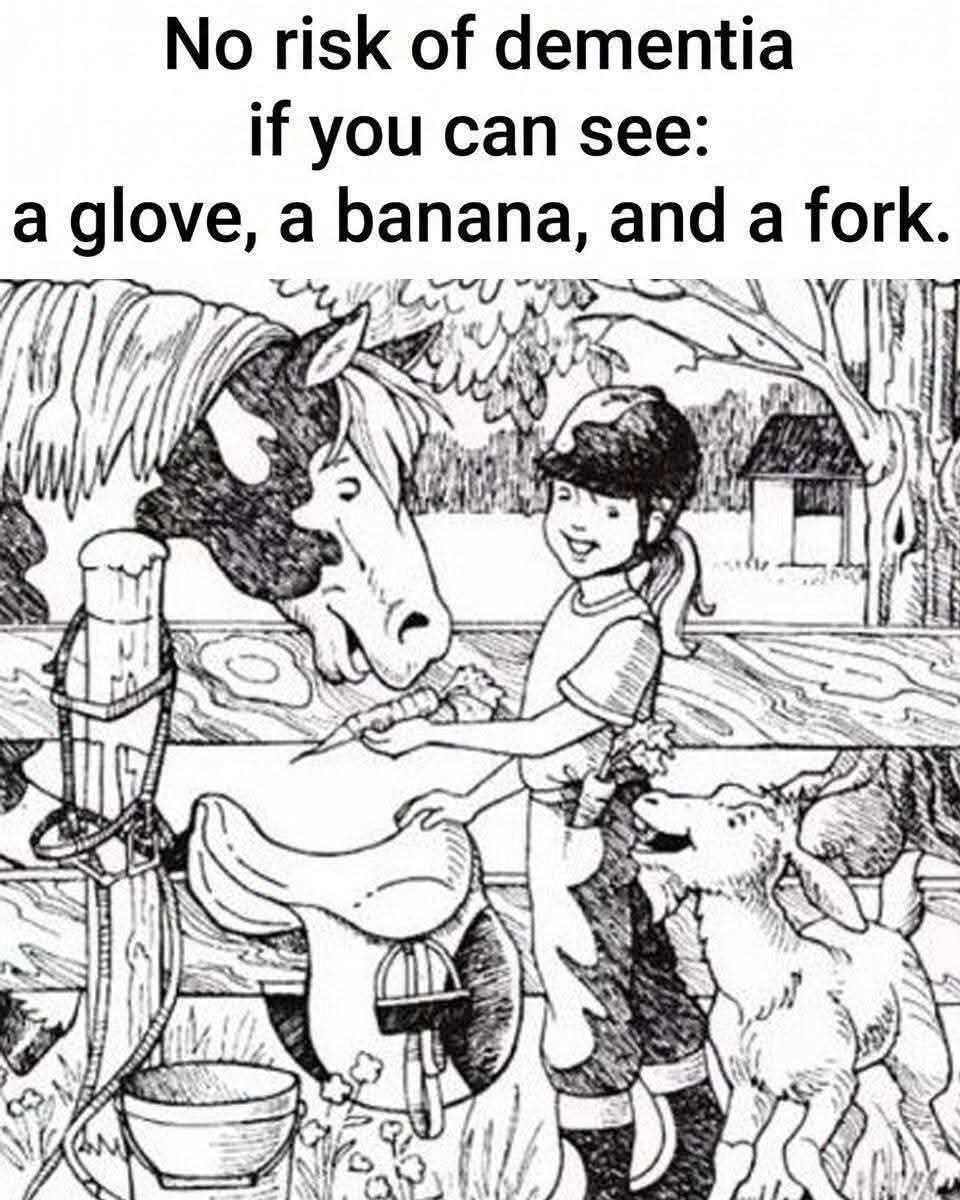
No Risk of Dementia If You Can See: A Glove, A Banana, and A Fork
Dementia is a complex and often misunderstood condition that affects millions of people worldwide. It can significantly impair cognitive functions, leading to memory loss and challenges in daily living. However, recent studies have revealed fascinating insights into how our perception and sensory interactions with the world can impact cognitive health. This article explores the intriguing connection between our ability to see, objects like a glove, a banana, and a fork, and the potential risk of dementia.
Understanding Dementia
Dementia is not a single disease but rather an umbrella term for a range of cognitive impairments associated with memory loss, reasoning, and communication difficulties. Alzheimer’s disease is the most common form of dementia, affecting nearly 60-80% of individuals with dementia. Symptoms can vary widely but often include difficulty remembering recent events or familiar faces, confusion, and changes in mood.
While the connection between sensory perception and cognitive functions is still being studied, there are several theories regarding how visual perception may play a role in mitigating the risk of dementia.
The Importance of Visual Stimulation
Visual stimulation is crucial for cognitive development and maintenance throughout life. Engaging our vision can help strengthen neural connections in the brain, which may reduce the likelihood of cognitive decline. Activities that involve visual processing, such as reading, painting, or even simply observing nature, can be beneficial.
The Role of a Glove
Now, let’s delve into the interesting concept of a glove as a metaphor for tactile experience and sensory integration. Wearing gloves—especially those designed for specific tasks like gardening or cooking—can heighten the sensory experience. The act of using our hands in conjunction with our vision helps engage our neuromuscular system, enhancing our cognitive abilities.
Studies suggest that engaging in hand-eye coordination activities, like sports or arts, can reduce stress and potentially decrease the risk of cognitive decline. When you wear a glove and execute tasks that require focus, it encourages greater brain activity, which can be protective against dementia.
The Symbolism of a Banana
Next, we explore the banana, often seen as a healthy snack but here represents nourishment for the brain. Fruits such as bananas are rich in vitamins and minerals, which are essential for brain health. They contain potassium and vitamin B6, which can help improve mood and cognitive function. Consuming a balanced diet rife with fruits, vegetables, whole grains, and healthy fats is crucial for maintaining optimal mental health.
Moreover, activities involving food preparation, which often require using sight and motor skills, can also positively affect cognitive function. Simple tasks such as peeling a banana or chopping fruits require coordination and can stimulate brain activity, reducing risks associated with cognitive decline.
The Functionality of a Fork
Lastly, we have the humble fork, a utensil that most people use daily. Using a fork requires dexterity and coordination—skills that engage various cognitive processes. Dining activities promote social interaction, essential for mental health and well-being. Sharing meals with others can create an environment rich in cognitive stimulation.
Once again, the act of using cutlery—especially while being engaged in conversation—can improve brain function. Research shows that social engagement is critical in preventing loneliness, a significant risk factor for cognitive decline.
The Connection Between Objects and Cognitive Health
The intriguing relationship between a glove, a banana, and a fork lies in their combined impact on our sensory experiences and cognitive health. Each object encourages a different type of engagement that can enhance brain function:
– Tactile Experiences: Wearing gloves involves touch sensations that engage the sensory pathways in the brain.
– Nutritional Value: Bananas, as part of a balanced diet, provide the essential nutrients that support neural health.
– Social Interaction: Using a fork to eat can foster social connections that are crucial for lowering the risk of dementia.
Engaging the Senses to Boost Cognitive Health
A multifaceted approach to maintaining healthy cognitive function involves ensuring that we engage all our senses. Here are several activities that can help keep your mind sharp and potentially reduce the risk of dementia:
– Culinary Arts: Cooking or baking can stimulate your sense of smell and taste while allowing you to practice precision and coordination.
– Gardening: This can combine tactile experience (using gloves), visual observation of plants growing, and even social interaction in community gardens.
– Puzzles and Games: Engaging in board games, puzzles, or activities that require visual and spatial reasoning can promote healthy brain function.
– Exercise: Physical activity enhances cognitive function. Activities like dance can incorporate coordination, rhythm, and engagement with others.
Conclusion
While the path to preventing dementia remains complex and involves various lifestyle choices, maintaining sensory engagement through everyday objects like a glove, a banana, and a fork offers unique insights into brain health. By focusing on tactile experiences, nutrition, and social connections, individuals may enhance their cognitive resilience.
Engaging with these objects symbolizes the multifaceted approach required for brain health. Prioritizing these activities in your daily life can lead to improved cognitive function, potentially lowering the risk of dementia. Remember, promoting brain health is an ongoing journey that combines sensory stimulation, nutrition, and social interaction. So reach for that glove, peel a banana, and enjoy a meal with your loved ones—small actions can lead to big changes in your cognitive well-being.