
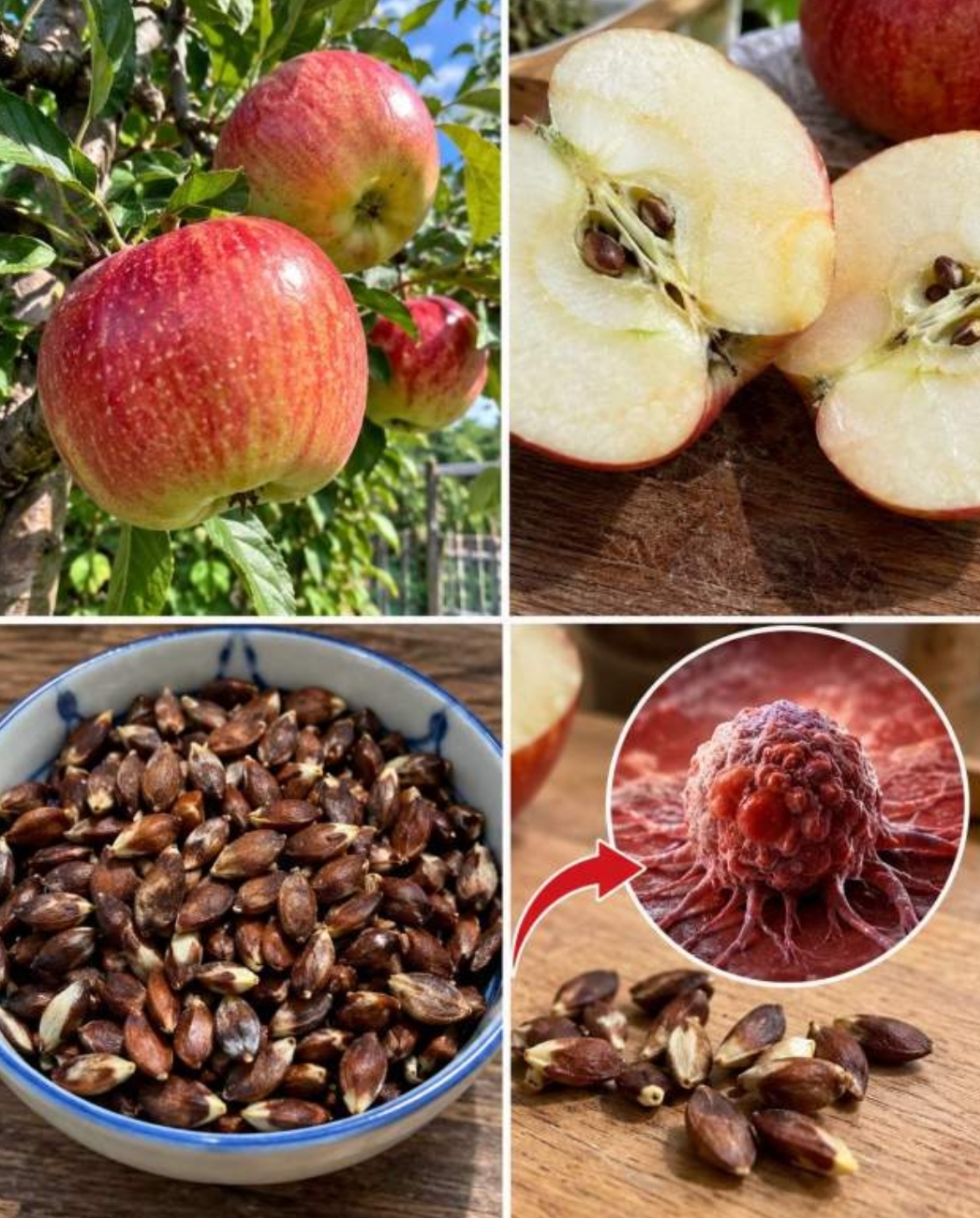
Cancer, Tumors, and Apple Seeds: Understanding the Myths and Realities
In recent years, the internet has seen a surge of discussions surrounding alternative remedies for cancer, with apple seeds being one of the subjects that have garnered attention. Many believe that these small, seemingly innocuous seeds possess miraculous healing properties, especially when it comes to fighting tumors. However, the truth is far more complex and, in many cases, grounded in misconception. This article delves into the relationship between apple seeds and cancer, exploring the chemicals involved, the body’s response, and the myths that can mislead people in their health journeys.
The Science Behind Apple Seeds and Amygdalin
Apple seeds contain a compound known as amygdalin, which is often cited in discussions about their potential health benefits. When consumed, amygdalin can convert into **cyanide**, a potent toxin that has raised concerns about its effects on the body. The misconception that apple seeds can cure cancer stems largely from a misunderstanding of this compound and its behavior in the human body.
How Amygdalin Works
Amygdalin is a naturally occurring substance that, when metabolized, can release cyanide. It’s important to clarify that whole apple seeds pass through the digestive system largely intact. This is because the hard outer shell can often protect the inner contents from being broken down during digestion. In contrast, when apple seeds are chewed, crushed, or processed in any way, they release amygdalin, which can then lead to the formation of cyanide. The body is not designed to handle significant amounts of cyanide, and its presence can trigger various toxic reactions.
The Toxic Impact on the Body
When cyanide enters the bloodstream, the body may react in several ways, with symptoms ranging from nausea and dizziness to more severe manifestations like confusion and respiratory distress. Rather than being a miracle cure, the consumption of crushed or processed apple seeds can lead to a toxic shock that compromises normal cellular function. This immediate reaction serves as a **red flag**, indicating that the body is under distress rather than experiencing a healing process.
Understanding Cancer: Myths and Realities
Cancer is a complex and multifaceted disease that cannot be reduced to simple narratives or quick fixes. Many online claims suggest that certain foods or compounds can target cancer cells directly, providing a miracle cure for a terrifying disease. However, such simplistic views ignore the intricacies of cancer biology and mislead those seeking effective treatments.
The Myth of Targeted Healing
One prevalent myth is that certain compounds can selectively kill cancer cells while leaving healthy cells unharmed. This notion is appealing and easy to digest, especially for those dealing with a cancer diagnosis. However, the reality of cancer treatment is much more complicated. Tumors do not have a recognizable “kill me” sign; they are part of a larger biological landscape that requires careful and often multifaceted treatment approaches.
The Role of Fear in Health Misinformation
The fear surrounding cancer can lead to a desperate search for control, prompting individuals to seek out quick fixes and alternative remedies that promise results. This vulnerability is often exploited by misinformation circulating on the internet, creating a dangerous cycle where hope outweighs evidence. As people cling to these health myths, they may unknowingly put their health at risk.
Realistic Approaches to Cancer Care
When it comes to managing cancer and supporting overall health, evidence-based treatments and lifestyle choices are paramount. Here are a few realistic approaches that can complement conventional cancer care:
- Diet and Nutrition: Instead of focusing on potentially harmful compounds, consider a balanced diet rich in fruits, vegetables, whole grains, and lean proteins. These foods provide essential nutrients that help support overall health and strengthen the immune system.
- Physical Activity: Regular exercise has been shown to improve health outcomes for cancer patients, including enhanced energy levels and better emotional well-being.
- Professional Care: Rely on healthcare professionals to guide treatment decisions. Integrating alternative therapies should always be done with the oversight of medical experts.
Separating Fact from Fiction: The Need for Critical Thinking
As we navigate health claims and potential remedies, it is crucial to employ critical thinking and skepticism. Not everything labeled “natural” is safe or effective. When it comes to apple seeds and similar natural remedies, it is essential to consider:
- What scientific evidence supports these claims?
- What are the potential risks associated with consumption?
- Are there safer, more reliable alternatives?
A Balanced Perspective
Ultimately, the quest for a cancer cure is not about finding singular, miraculous answers but rather about combining multiple strategies that focus on wellness. While the allure of quick fixes is significant, the most effective pathways typically involve sustainable lifestyle changes and well-informed choices. Understanding the limitations and potential hazards of certain foods, like apple seeds, is a critical part of this process.
Conclusion: Navigating Health Information Wisely
The relationship between apple seeds, cancer, and alternative health remedies exemplifies the need for caution and discernment in the face of overwhelming information. While hope and healing are indispensable aspects of dealing with cancer, they must be grounded in reality and supported by scientific understanding. By prioritizing evidence-based practices and maintaining a critical mindset, individuals can navigate the often-treacherous waters of health misinformation more effectively.
In summary, while apple seeds are sometimes presented as a beacon of hope for those battling cancer, the realities of their chemical makeup reveal a different story—one that emphasizes the importance of informed choices and the necessity of seeking proven medical advice in the fight against disease.