
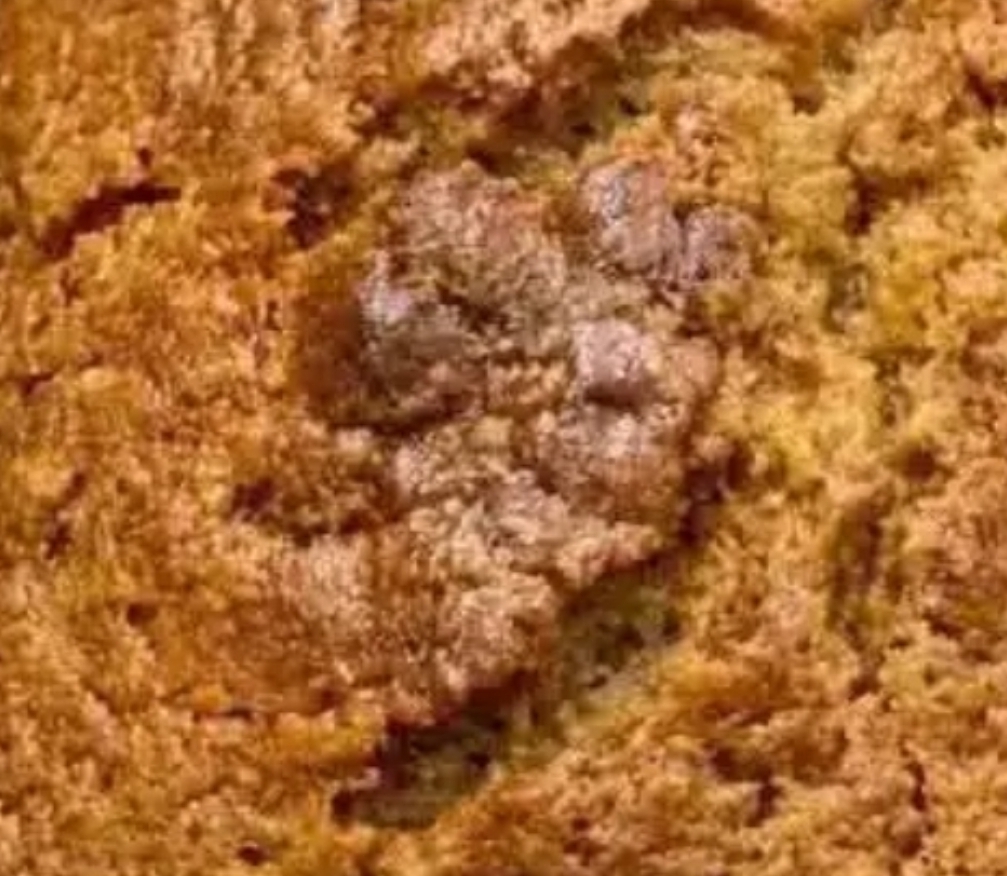
This Old-Fashioned Moist Banana Bread Recipe is the kind of dependable homemade loaf that turns a few overripe bananas into a soft, fragrant, beautifully golden bread with a tender crumb and a naturally cracked top. It is simple enough for everyday baking but rich enough to serve for breakfast, brunch, an afternoon snack, or dessert with coffee.
Inspired by the loaf in the image, this version bakes up tall and deeply golden with a rustic split running through the center. That crack is one of the signs of a properly risen quick bread—the outside sets while the moist batter continues expanding in the center.
The secret to truly moist banana bread is using very ripe bananas, enough fat and brown sugar to keep the crumb tender, and avoiding overmixing after the flour is added. You also want to remove the loaf from the oven as soon as the center is baked rather than leaving it in until the crust becomes overly dark.
This recipe does not require a mixer, yeast, or complicated techniques. A couple of bowls, a loaf pan, ripe bananas, and pantry ingredients are enough to make a bakery-style banana bread that tastes even better the next day.
It is also easy to customize with walnuts, pecans, chocolate chips, cinnamon, peanut butter, blueberries, or a crunchy brown-sugar topping. The plain version remains one of the best because the sweet banana flavor stays at the center of every slice.
Recipe Overview
Recipe Details Information
Recipe Name Old-Fashioned Moist Banana Bread
Focus Keyword Moist Banana Bread Recipe
Prep Time 15 minutes
Bake Time 55–70 minutes
Cooling Time 45–60 minutes
Total Time About 1 hour 30 minutes
Servings 10–12 slices
Course Breakfast, Brunch, Snack, Dessert
Cuisine American-Inspired
Difficulty Easy
Main Flavor Banana, vanilla, brown sugar
Texture Moist, soft, tender
Baking Method Loaf pan
Make-Ahead Friendly Yes
Freezer Friendly Yes
Why You’ll Love This Banana Bread
This banana bread uses simple ingredients but delivers a rich homemade flavor. The ripe bananas provide natural sweetness and moisture, while brown sugar contributes a light caramel note that makes the loaf taste deeper than a version made with white sugar alone.
The batter comes together quickly and does not require an electric mixer. In fact, gently mixing by hand is one of the best ways to keep banana bread soft because it reduces the chance of overworking the flour.
It is also a practical recipe for reducing food waste. Bananas that have become too soft or brown for snacking are actually ideal for baking because their starches have converted into sugars and their flavor is much stronger.
The loaf stores well for several days and freezes beautifully, making it useful for meal prep, school snacks, breakfast, coffee breaks, or unexpected guests.
You can keep it completely plain like the loaf in the image or add nuts, chocolate, cinnamon, or fruit without changing the basic preparation method.
Complete Grocery List
Ingredient Amount Purpose
Very ripe bananas 3 large Flavor and moisture
All-purpose flour 2 cups Structure
Baking soda 1 tsp Helps loaf rise
Baking powder 1/2 tsp Additional lift
Salt 1/2 tsp Balances sweetness
Cinnamon 1 tsp Optional warm flavor
Unsalted butter 1/2 cup Richness
Brown sugar 3/4 cup Moisture and caramel flavor
Granulated sugar 1/4 cup Helps browning
Eggs 2 large Structure
Vanilla extract 2 tsp Flavor
Sour cream or Greek yogurt 1/3 cup Moisture and tenderness
Walnuts or pecans Optional Crunch
Chocolate chips Optional Sweet variation
Ingredients
For the Banana Bread
3 large very ripe bananas, about 1 1/2 cups mashed
2 cups all-purpose flour
1 teaspoon baking soda
1/2 teaspoon baking powder
1/2 teaspoon salt
1 teaspoon ground cinnamon, optional
1/2 cup unsalted butter, melted and slightly cooled
3/4 cup packed light or dark brown sugar
1/4 cup granulated sugar
2 large eggs, room temperature
2 teaspoons vanilla extract
1/3 cup sour cream or plain Greek yogurt
Optional Add-Ins
3/4 cup chopped walnuts
3/4 cup chopped pecans
3/4 cup semi-sweet chocolate chips
1/2 cup raisins
1/2 cup blueberries
1/3 cup shredded coconut
Best Bananas for Banana Bread
Very ripe bananas are essential if you want strong banana flavor and a naturally sweet loaf.
The best bananas have yellow skins covered with plenty of brown or black spots. Bananas that have become completely brown can also be excellent as long as they have not developed mold or an unpleasant smell.
As bananas ripen, their starch converts into sugar. This makes them softer, sweeter, and easier to mash.
Green or barely yellow bananas contain more starch and less sugar, so they produce a loaf with weaker banana flavor and less natural sweetness.
If your bananas are ripe but not quite soft enough, you can let them sit at room temperature for another day or two before baking.
Ingredient Notes
Butter
Melted butter gives banana bread rich flavor and a moist crumb. Allow the butter to cool slightly before mixing it with eggs so the heat does not begin cooking them.
You can substitute neutral oil for butter if desired. Oil usually creates an especially moist loaf, but butter gives the bread a more traditional flavor.
Brown Sugar
Brown sugar contains molasses, which adds moisture and a subtle caramel taste.
Using both brown and white sugar gives the loaf a nice balance between tenderness and a golden crust.
Sour Cream or Greek Yogurt
A small amount of sour cream or Greek yogurt helps keep banana bread moist without making the batter too thin.
The mild acidity also works with the baking soda and contributes to a tender crumb.
Eggs
Eggs provide structure and help the loaf rise properly.
Room-temperature eggs mix more smoothly into the batter, but cold eggs can still be used if necessary.
Vanilla
Vanilla strengthens the sweetness of ripe bananas and makes the loaf taste more complete.
Two teaspoons may seem generous, but vanilla works extremely well in quick breads.
Kitchen Equipment
Equipment Purpose
9×5-inch loaf pan Baking
Large mixing bowl Wet ingredients
Medium bowl Dry ingredients
Fork or potato masher Mashing bananas
Whisk Mixing wet ingredients
Rubber spatula Folding batter
Measuring cups Accurate measurements
Measuring spoons Small ingredients
Parchment paper Easy loaf removal
Wire cooling rack Cooling evenly
Wooden skewer Checking doneness
Step-by-Step Instructions
Step 1: Preheat the Oven
Preheat the oven to 350°F / 175°C.
Position the oven rack near the center so the loaf receives even heat from the top and bottom.
Step 2: Prepare the Loaf Pan
Grease a 9×5-inch loaf pan lightly with butter or baking spray.
For easier removal, line the bottom and long sides with parchment paper, leaving some paper extending above the edges.
The parchment can be used as handles once the loaf has cooled slightly.
Step 3: Mash the Bananas
Peel the ripe bananas and place them in a large mixing bowl.
Mash with a fork or potato masher until mostly smooth. A few small banana pieces are perfectly fine and can give the loaf a pleasant texture.
You should have approximately 1 1/2 cups mashed banana.
Step 4: Mix the Dry Ingredients
In a separate bowl, whisk together the flour, baking soda, baking powder, salt, and cinnamon if using.
Mixing the dry ingredients separately helps distribute the leavening evenly throughout the batter.
Step 5: Combine Butter and Sugar
Add the melted butter, brown sugar, and granulated sugar to the mashed bananas.
Whisk until the mixture becomes smooth and well combined.
The brown sugar may leave the batter slightly darker, which contributes to the deep golden color seen in the image.
Step 6: Add the Eggs and Vanilla
Add the eggs one at a time, whisking after each addition.
Stir in the vanilla extract.
Mix only until everything is combined.
Ad Placement 6 – Natural break between instructions
Step 7: Add the Sour Cream
Stir the sour cream or Greek yogurt into the banana mixture.
The batter should now look smooth, creamy, and slightly thick.
Step 8: Add the Dry Ingredients
Pour the flour mixture into the wet ingredients.
Use a rubber spatula to fold gently until you no longer see large pockets of dry flour.
Do not continue stirring once the batter comes together. Overmixing can create a dense or rubbery loaf.
Step 9: Add Optional Mix-Ins
If using walnuts, pecans, chocolate chips, raisins, or another add-in, fold them into the batter now.
Reserve a small amount for sprinkling over the top if desired.
Step 10: Fill the Loaf Pan
Pour the batter into the prepared loaf pan.
Smooth the top lightly with a spatula, but do not press the batter down.
For a traditional loaf like the one shown in the image, leave the surface plain.
Step 11: Bake
Bake at 350°F / 175°C for approximately 55 to 70 minutes.
Begin checking at about 50 minutes.
If the top is becoming deeply browned but the center still needs more time, cover the loaf loosely with aluminum foil.
Step 12: Check for Doneness
Insert a wooden skewer or toothpick into the center of the loaf.
It should come out clean or with a few moist crumbs but no wet batter.
If the center still looks raw, continue baking in 5-minute increments.
Step 13: Cool
Allow the banana bread to cool in the pan for approximately 15 to 20 minutes.
Then carefully remove it and transfer it to a wire rack.
For clean slices, allow the loaf to cool for at least another 30 to 45 minutes.
Why Banana Bread Cracks on Top
A crack running through the top of banana bread is completely normal and often desirable.
As the loaf bakes, the outside begins setting before the center. The batter inside continues rising, and the expanding center pushes through the partially set surface.
That creates the rustic split seen in the image.
A center crack does not mean the loaf was prepared incorrectly. In many quick breads, it is actually part of the traditional appearance.
How to Make Banana Bread Extra Moist
The ripeness of your bananas makes a major difference. Very ripe bananas contain more sugar and softer pulp, which contributes both moisture and flavor.
Brown sugar also helps retain moisture, while sour cream gives the crumb additional tenderness.
Avoid measuring too much flour. Packing flour into a measuring cup is one of the most common reasons homemade quick breads turn out dry.
Finally, avoid overbaking. Remove the loaf as soon as the center is fully cooked.
Even five to ten unnecessary minutes in a hot oven can make a noticeable difference in texture.
How to Keep Banana Bread from Becoming Dense
Do not overmix once flour enters the batter.
Flour contains proteins that form gluten when mixed with liquid. Some gluten is necessary for structure, but excessive mixing can produce a heavy loaf.
Mix only until the flour disappears.
Also check that your baking soda and baking powder are fresh. Old leavening agents may not generate enough gas for proper rising.
Measure the bananas as well. An excessive amount of banana can make the loaf gummy and heavy.
Pro Tips for the Best Banana Bread
Use bananas with plenty of brown spots for the strongest flavor. Measure the mashed banana instead of assuming every banana is the same size.
Spoon flour into the measuring cup and level it rather than packing it directly from the bag.
Bring the eggs closer to room temperature when possible.
Let melted butter cool slightly before mixing.
Do not overmix the batter.
Bake on the center rack.
Cover with foil if the top becomes dark before the center is finished.
Allow the bread to cool before slicing because the crumb continues setting after it leaves the oven.
For even better flavor, wrap the cooled loaf and serve it the following day.
Delicious Variations and Substitutions
Chocolate Chip Banana Bread
Fold 3/4 cup semi-sweet or dark chocolate chips into the batter.
Sprinkle another small handful over the surface before baking.
Walnut Banana Bread
Add 3/4 cup toasted chopped walnuts.
Walnuts give the loaf a slightly earthy flavor and a pleasant crunch.
Pecan Banana Bread
Use chopped toasted pecans instead of walnuts.
Pecans are slightly sweeter and pair especially well with brown sugar and cinnamon.
Cinnamon Swirl Banana Bread
Combine 1/4 cup brown sugar with 1 teaspoon cinnamon.
Pour half of the batter into the pan, sprinkle with the cinnamon mixture, then add the remaining batter.
Peanut Butter Banana Bread
Swirl approximately 1/3 cup creamy peanut butter through the batter before baking.
Peanut butter and banana create a rich, satisfying combination.
Blueberry Banana Bread
Fold 1 cup fresh blueberries gently into the batter.
Toss the berries with a small amount of flour first to reduce sinking.
Coconut Banana Bread
Add 1/2 cup sweetened or unsweetened shredded coconut.
Coconut adds chewiness and a subtle tropical flavor.
Banana Nut Chocolate Bread
Combine chocolate chips with chopped walnuts or pecans.
This turns the loaf into a richer dessert-style banana bread.
What to Serve with Banana Bread
Serving Idea Why It Works
Butter Classic and simple
Cream cheese Adds tangy richness
Peanut butter Adds protein and nutty flavor
Honey Extra sweetness
Maple syrup Warm breakfast flavor
Hot coffee Excellent pairing
Tea Light contrast
Cold milk Family-friendly
Fresh berries Adds freshness
Greek yogurt Good breakfast pairing
Banana Bread for Breakfast and Brunch
Banana bread works beautifully as part of a breakfast or brunch spread.
Serve slices with scrambled eggs, yogurt, berries, fresh fruit, coffee, or tea for an easy morning meal.
For a holiday brunch, prepare the loaf the day before so you do not have to bake early in the morning.
You can also lightly toast slices and spread them with butter, peanut butter, or cream cheese.
The toasted edges create a slightly crisp texture while the center stays soft.
Make-Ahead Instructions
Banana bread is an excellent make-ahead recipe because its flavor and texture often improve overnight.
Bake the loaf and allow it to cool completely.
Wrap tightly in plastic wrap, foil, or another airtight covering.
Keep it at room temperature overnight, then slice the following morning.
The banana flavor will often taste stronger and the crumb may feel even softer.
Storage
Store completely cooled banana bread in an airtight container or wrap it tightly.
At room temperature, it generally stays fresh for approximately 3 to 4 days.
For longer storage, refrigerate for up to about one week.
Refrigeration can make the bread feel slightly firmer, so allow a slice to return to room temperature or warm it briefly before serving.
Reheating
Microwave
Warm one slice for approximately 10 to 15 seconds.
This softens the crumb and enhances the banana aroma.
Toaster Oven
Warm a slice at a low temperature for several minutes.
This produces slightly crisp edges and a soft center.
Skillet
Melt a small amount of butter in a skillet and toast a slice gently on both sides.
This is especially good for breakfast.
Freezing Instructions
Banana bread freezes extremely well.
Allow the loaf to cool completely before freezing.
Wrap the whole loaf tightly, or slice it first and place parchment between individual pieces.
Transfer to a freezer-safe bag or container.
Freeze for approximately 2 to 3 months for best quality.
Individual slices can be thawed at room temperature or reheated directly after a short thaw.
Ways to Use Leftover Banana Bread
Slightly stale banana bread can be turned into an entirely new dessert.
Toast thick slices in butter and serve with maple syrup.
Cut the loaf into cubes and use it for banana-bread French toast casserole.
Layer cubes with pudding, whipped cream, and fresh bananas for an easy trifle.
Serve warm slices with vanilla ice cream and caramel sauce.
You can also turn banana bread into a sweet breakfast sandwich with peanut butter and sliced banana.
Common Mistakes and How to Avoid Them
Using Bananas That Are Not Ripe Enough
Yellow bananas without brown spots usually produce weaker flavor.
Wait until they become heavily spotted.
Using Too Much Flour
Excess flour creates dry, dense banana bread.
Measure carefully.
Overmixing the Batter
Mixing too much after flour is added can produce a tough texture.
Fold gently and stop as soon as everything is combined.
Overbaking
Banana bread continues cooking slightly from residual heat after leaving the oven.
Remove it when the center is just fully baked.
Cutting Too Early
A very hot loaf has a delicate crumb and can appear gummy when sliced.
Allow it enough cooling time.
Using Too Much Banana
Extra banana may sound beneficial, but excessive fruit can make the center heavy or underbaked.
Stick close to the recommended amount.
Troubleshooting Guide
Problem Possible Cause Solution
Bread is dry Too much flour or overbaked Measure flour carefully
Center is gummy Too much banana or underbaked Measure banana and bake longer
Bread is dense Batter overmixed Mix gently
Loaf did not rise Old baking soda Use fresh leavening
Top too dark Oven heat strong Cover loosely with foil
Center raw Loaf removed too early Continue baking
Bread crumbles Sliced too warm Cool longer
Weak banana flavor Bananas not ripe Use heavily spotted bananas
Bread sticks Pan not prepared Grease and line with parchment
Nutrition Estimate
Nutrition Approximate Amount
Calories 250–330 per slice
Protein 4–6 g
Carbohydrates 38–48 g
Fat 10–15 g
Fiber 2–3 g
Sugar 20–30 g
Sodium 180–280 mg
Serving Size 1 slice
Nutrition information is an estimate and varies depending on serving size, sour cream, butter, nuts, chocolate chips, and other optional ingredients.
Frequently Asked Questions
What makes banana bread moist?
Very ripe bananas, butter, brown sugar, eggs, and sour cream all help create a moist crumb.
How ripe should bananas be?
The skins should have plenty of dark brown spots. Completely brown bananas can also work if they are still fresh.
Can I use frozen bananas?
Yes. Thaw them first and include the liquid released during thawing unless there is an excessive amount.
Can I use oil instead of butter?
Yes. Replace the butter with a neutral oil for an especially moist loaf.
Can I leave out sour cream?
Yes. Plain Greek yogurt is the easiest substitute.
Can I use regular yogurt?
Yes, preferably plain yogurt rather than flavored yogurt.
Why did my banana bread crack?
Cracking is normal. The center continues expanding after the outside begins setting.
Why is my banana bread gummy?
Possible causes include too much banana, too much liquid, underbaking, or cutting the loaf while it is still very hot.
Why is my banana bread dry?
Too much flour or excessive baking is usually responsible.
Why is my banana bread dense?
The batter may have been overmixed or the leavening may have been old.
Can I add walnuts?
Yes. Walnuts are one of the classic banana bread additions.
Can I add pecans?
Yes. Toasted pecans work beautifully.
Can I add chocolate chips?
Yes. Add about 3/4 cup.
Can I add blueberries?
Yes. Fold them into the batter gently.
Can I reduce the sugar?
You can reduce it slightly, especially when using exceptionally ripe bananas, but significant changes can affect moisture and texture.
Can I make muffins with this batter?
Yes. Divide the batter among muffin cups and reduce the baking time substantially.
How long does banana bread last?
It is generally best within 3 to 4 days at room temperature when tightly wrapped.
Should banana bread be refrigerated?
It does not need immediate refrigeration, but refrigeration is useful for longer storage.
Can banana bread be frozen?
Yes. Both whole loaves and individual slices freeze very well.
How do I thaw frozen banana bread?
Thaw at room temperature while still wrapped so moisture remains in the bread.
Does banana bread taste better the next day?
Often, yes. Resting allows banana, vanilla, and brown sugar flavors to become more integrated.
How do I make a tall loaf?
Use the correct pan size, fresh leavening, and avoid overmixing.
Final Thoughts
This Old-Fashioned Moist Banana Bread Recipe is a simple w