
Exploring the Charm of 1960s Diners: An Iconic Era in American Culture
The 1960s were a defining decade that influenced many aspects of American life, especially the dining experience. In this article, we take a nostalgic journey into the heart of the classic 1960s diner. From the vibrant decor to the unique menu items, we’ll explore what made these establishments so popular and enduring in American culture. Additionally, we will discuss some common design mistakes that can be found in illustrations depicting these diners, and how to spot them.
The Aesthetic Appeal of 1960s Diners
Walking into a 1960s diner is like stepping back in time. The aesthetic beauty of these diners is characterized by a combination of colorful fixtures, retro furniture, and charming decor. Let’s examine these elements more closely.
Vibrant Color Schemes
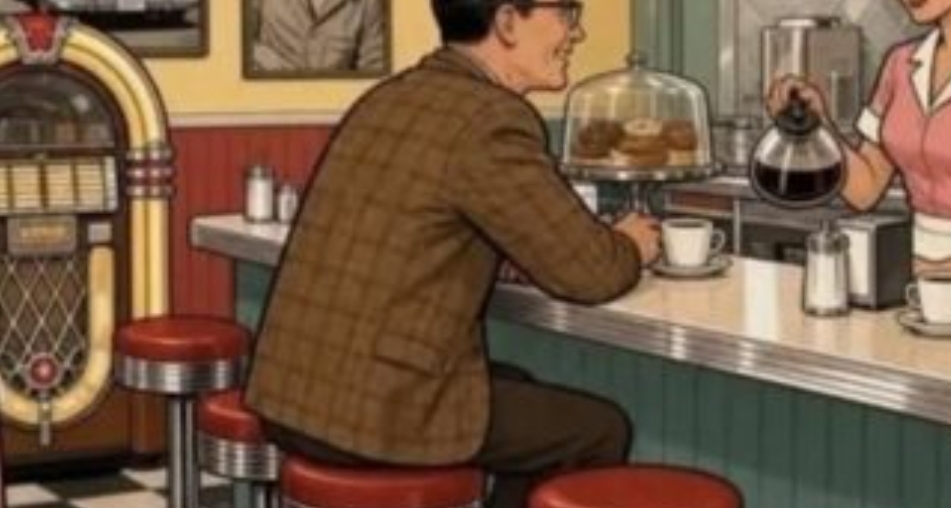
One of the most striking features of 1960s diners is their vibrant color palettes. Diners often utilized a blend of pastel colors like mint green, light pink, and buttery yellow. These colors not only created a lively atmosphere but also reflected the pop culture of the era. The shiny chrome accents that adorned the counters and tables greatly complemented these colors, giving diners a distinctly upbeat look.
Iconic Furniture Design
The furniture in diners from the 1960s included chrome stools, vinyl booths, and checkered flooring. The booths were often upholstered in bright colors, allowing diners to indulge in comfort while enjoying their meals. This furniture style not only offered practical seating but also enhanced the overall aesthetic of the diners, making them inviting spots for friends and families to gather.
The Menu: Classic Diner Fare
No discussion of 1960s diners would be complete without mentioning the food. Diners became synonymous with certain menu items, presenting a fusion of American cuisine that appealed to the masses.
Classic American Breakfast
The breakfast menu typically featured hearty options like pancakes, waffles, and a variety of egg dishes. Diners often prided themselves on serving gigantic breakfast portions, which attracted early risers seeking a filling meal. Side portions of crispy bacon or sausage links accompanied most breakfast plates, creating a satisfying start to the day.
Lunch and Dinner Staples
For lunch and dinner, diners served classic American staples such as burgers, hot dogs, and club sandwiches. One could always find a satisfying meatloaf or a slice of homemade pie on the menu. The diverse menu options made diners a popular choice for families and individuals alike.
Spotting Common Mistakes in 1960s Diner Illustrations
While illustrations of 1960s diners can evoke nostalgia, they often contain anachronisms or inaccuracies. Understanding what these mistakes are can help you appreciate the historical context of diner culture.
Misrepresentation of Decor
Many illustrations may get the decor wrong by mismatching color schemes that would not typically be found in a diner of that period. For example, a mix of modern decor elements such as sleek, minimalist lines may be incorrectly superimposed onto 1960s diner themes, which should exhibit more flamboyant and eclectic styles.
Inaccurate Menu Items
Another common mistake relates to the menu items visually represented. Illustrations may depict modern dishes that didn’t exist or weren’t popular in the 1960s, such as sushi or gourmet burgers. Understanding the culinary norms of the 1960s is crucial for recognizing these inaccuracies.
The Cultural Significance of Diners in the 1960s
Dinosaurs weren’t just about food; they represented a significant cultural space where social interactions took place. These venues became the backdrop for countless stories and memories.
A Gathering Place for All
Dinosaurs served as a melting pot for people from different walks of life. Regardless of income or social status, everyone was welcome at the diner. This communal aspect allowed diners to foster relationships, making them an essential part of the American social fabric during the 1960s.
Connection to Pop Culture
Throughout the 1960s, diners were frequently referenced in television shows, movies, and music, proving they were a staple in popular culture. The diner scene in various films often highlighted the carefree spirit of youth during this era, making these establishments iconic symbols of American culture.
Modern Interpretations of 1960s Diners
As time has passed, the diner has evolved, but the essence of the 1960s has remained influential in modern diner designs and menus. Today, many establishments strive to recreate the charm of the past.
Retro-Inspired Diners
Many modern diners have adopted retro aesthetics, incorporating vintage memorabilia, neon lights, and period-specific music into their atmospheres. This effort to recreate a nostalgic dining experience is not just about decoration; it’s about evoking feelings and memories tied to the 1960s.
Menu Evolution
While traditional diner fare still retains a spot on the menu, modern diners are taking a more culinary-forward approach to food. Creative twists on classic dishes can be found, incorporating local ingredients and contemporary culinary techniques while respecting the roots of American diner cuisine.
Conclusion: The Lasting Legacy of 1960s Diners
The 1960s diner is an enduring symbol of American culture, representing a simpler time when food and socialization intertwined in a unique way. By understanding the aesthetics, cuisine, common mistakes in illustrations, and the cultural significance of diners, we gain a greater appreciation for the role they play in our history and their continued influence today. Whether you’re enjoying a burger in a modern diner or simply reminiscing about the past, the charm of 1960s diners remains alive, and their legacy continues to inspire generations.