
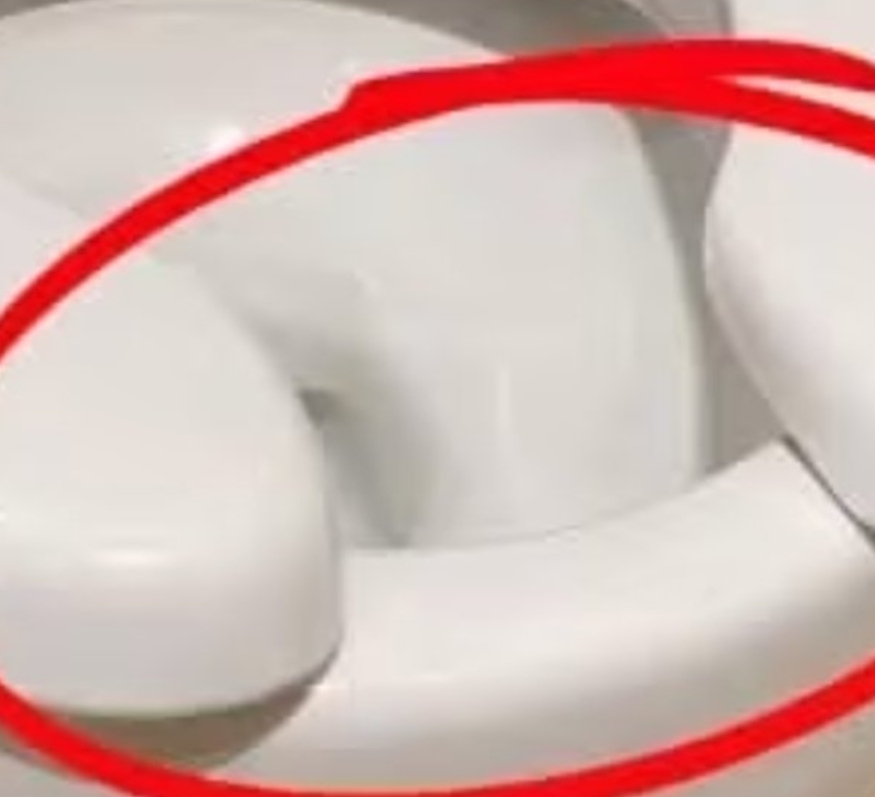
Understanding U-Shaped Toilets in Public Restrooms
Have you ever entered a public restroom and noticed the distinct shape of the toilets? If so, you might have wondered, “Why do public restrooms have U-shaped toilets?” This common sight has a fascinating design rationale that reflects both practicality and hygiene. In this article, we will delve into the reasons behind the U-shaped toilet design, its advantages, and its implications for public hygiene.
The Origins of U-Shaped Toilet Designs
The U-shaped toilet design is rooted in the evolution of restroom facilities. Originally, toilets were merely holes in the ground before modern plumbing adapted. With increased urbanization and the need for more efficient waste management, the U-shaped toilet emerged as a practical solution.
The Functional Aspect
The primary function of a U-shaped toilet is to facilitate proper waste disposal while ensuring user comfort. The design allows for a **more ergonomic seating position**, making it easier for users to sit down and stand up. Furthermore, this shape prevents *toilet splashback*, thereby enhancing hygiene and cleanliness within public restrooms.
Space Efficiency
U-shaped toilets also take into consideration the spatial limitations commonly found in public restrooms. Their design conserves space while still providing a comfortable experience for users. This is especially important in facilities with high foot traffic where maximizing every inch can significantly improve user experience.
Benefits of U-Shaped Toilets
The popularity of U-shaped toilets in public restrooms can be attributed to several key benefits:
- Improved Hygiene: The design minimizes contact between users and the toilet seat, helping to keep the area clean.
- Enhanced Comfort: A U-shaped design is often more accommodating, making it suitable for various body types and encouraging prolonged seated comfort.
- Efficient Waste Clearance: The unique shape aids in the swift removal of waste, which is critical for maintaining cleanliness in high-traffic areas.
Accessibility Considerations
Another important aspect of U-shaped toilets is that they can be designed to cater to individuals with disabilities. With slight modifications, such as adding grab bars or ensuring sufficient space for wheelchair access, these toilets can make public restrooms considerably more accessible.
Public Perception and Cultural Adaptations
Despite their practical advantages, U-shaped toilets can evoke a range of responses from the public. Many users appreciate their design, recognizing the balance between comfort and hygiene. However, some may feel confused or uncomfortable due to their unconventional size compared to traditional round toilets.
Cultural Variations
Globally, toilet designs vary significantly based on cultural preferences and norms. While U-shaped toilets are common in many countries, others may favor different designs such as squat toilets. Understanding these differences sheds light on regional beliefs about cleanliness, comfort, and usability.
A Deeper Look at Toilet Hygiene Practices
In the discussion of U-shaped toilets, it’s essential to consider broader toilet hygiene practices that enhance public health:
Regular Maintenance and Cleaning
To maintain the benefits offered by U-shaped toilets, regular cleaning protocols must be instituted. Public restrooms require daily sanitation, including disinfecting toilet seats, floors, and surrounding areas. Proper maintenance not only preserves hygiene but also promotes user confidence in public facilities.
Hand Hygiene Awareness
Hand hygiene is an invaluable practice, especially in public restrooms. Users should be encouraged to wash their hands thoroughly after using the toilet. Facilities can support this through visible signage and readily available soap and sanitizing stations.
Innovations in Bathroom Technology
With advancements in technology, the U-shaped toilet design is also evolving. Modern innovations focus on enhancing user experience and hygiene:
Self-Cleaning Toilets
Some public restrooms now utilize **self-cleaning toilet technology**. These toilets may incorporate automatic cleaning systems that sanitize the toilet after each use, reducing the risk of germs and odors. Such systems can significantly elevate restroom standards, particularly in high-traffic areas.
Sensors and Automation
In addition, sensor technology in U-shaped toilets eliminates the need for users to touch surfaces, promoting a hands-free experience. Sensor-flush systems and automatic soap dispensers are becoming increasingly common, ensuring a more hygienic experience overall.
Conclusion: Embracing U-Shaped Toilets in Public Restrooms
As we can see, U-shaped toilets serve various purposes beyond aesthetics. They offer practical solutions for hygiene, accessibility, and comfort, making them ideally suited for public restrooms. Understanding these benefits helps users appreciate the design and functionality behind these toilets. As technology advances, we can also expect enhancements that will further improve the cleanliness and user experience of restroom facilities.
So next time you encounter a U-shaped toilet, remember the thoughtful engineering behind its design, which prioritizes both user comfort and public health. Embracing the unique attributes of these toilets contributes to a more sanitary and pleasant public restroom experience for everyone.