
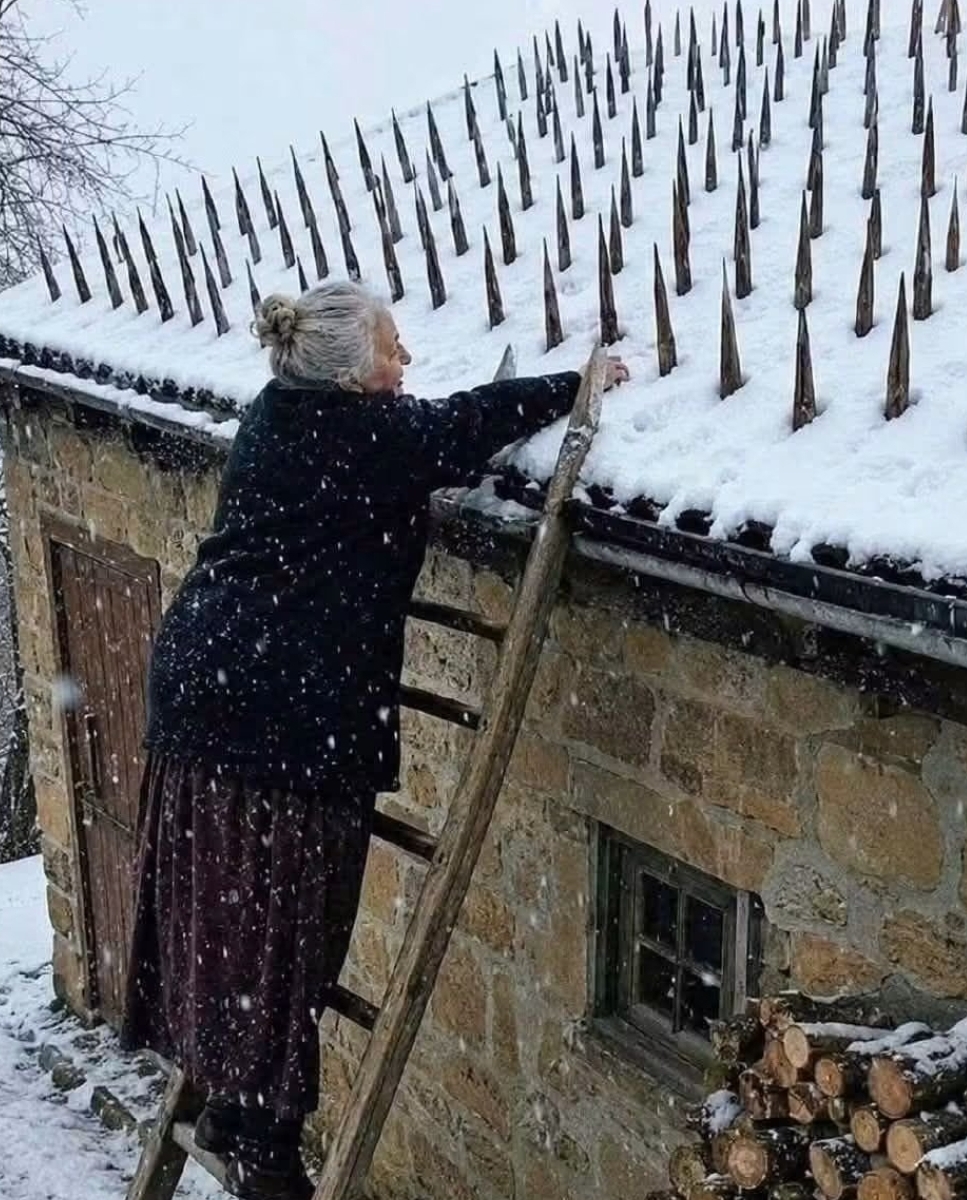
An Elderly Woman’s Journey: Crafting Sharp Wooden Implements
As the summer sun casts its warm glow and autumn leaves begin to fall, the stories of craftsmanship often come alive in the hands of seasoned artisans. One such tale revolves around an elderly woman who dedicated an entire summer and autumn to the art of crafting sharp wooden tools. This article delves into her journey, the techniques she employed, the challenges she faced, and the rich tradition of woodworking that has been passed down through generations.
The Craft of Woodworking: A Timeless Art
Woodworking is not just a craft; it’s a form of art that intertwines creativity with functional utility. The elderly woman’s passion reflects a profound respect for nature, utilizing the natural resources available to create tools that are both beautiful and practical. The art of shaping wood has ancient roots, and even today, it holds significant value in various cultures around the world.
Understanding the Basics of Woodworking
Before diving into the specific techniques the elderly woman used, it’s essential to understand the basic principles of woodworking. Here are some foundational concepts:
- Types of Wood: Different types of wood have unique properties that affect their workability and final appearance. Hardwoods like oak and maple are often preferred for their durability.
- Tools Required: Essential tools include saws, chisels, and carving knives, each serving a specific purpose in the crafting process.
- Finishing Techniques: The finish applied to wooden products can enhance their appearance and longevity, with options ranging from oils to varnishes.
The Elderly Woman’s Unique Approach
This remarkable woman employed traditional methods of woodworking that reflect both her skill and her understanding of the materials. Her approach can be broken down into several key phases:
1. Selecting the Right Wood
Before any crafting begins, the selection of the right wood is crucial. The elderly woman often ventured into nearby forests during the summer months to find the perfect pieces of wood, looking for dried logs that would provide strength and beauty. Understanding the characteristics of different wood types allowed her to choose materials that would yield the best results for her tools.
2. Shaping the Wood
Once the right wood was selected, the shaping process began. The elderly woman utilized a variety of tools, including hand saws and chisels, to carve the wood into the desired shapes. Precision was key in this phase, as any mistakes could compromise the final product.
3. Sharpening Techniques
An essential aspect of crafting effective wooden tools is sharpening. The elderly woman took a methodical approach to sharpening her tools, using whetstones of various grits to achieve a razor-sharp edge. This meticulous process ensured that the finished products were not only functional but also safe to use.
Challenges Faced During the Crafting Process
Every craftsperson faces challenges, and the elderly woman was no exception. Throughout her journey, she encountered several obstacles that tested her skills and resolve:
Dealing with Imperfections
Wood is a natural material that often contains imperfections such as knots and cracks. The elderly woman learned to recognize these flaws and adapt her designs accordingly. Embracing the imperfections became a part of her artistic expression, leading to unique tools with character.
Weather and Seasonal Changes
The changing seasons also posed challenges. Rain or humidity could affect wood’s moisture content, making it difficult to work with. The woman had to be attentive to weather conditions, often adjusting her schedule to account for these natural fluctuations.
Physical Limitations
As an elderly artisan, the woman faced physical limitations that younger craftsmen might not experience. However, she adapted her techniques to accommodate her strength and agility, demonstrating resilience and a lifelong commitment to her craft.
The Significance of Crafting Sharp Wooden Tools
Crafting sharp wooden tools holds significant importance in both practical and philosophical contexts. For the elderly woman, each tool represented more than just a functional object; it symbolized a connection to her heritage and the value of craftsmanship.
Preserving Traditional Skills
In today’s fast-paced world, the skill of traditional woodworking is at risk of becoming overshadowed by mass production. By dedicating her time to crafting tools, the elderly woman plays a vital role in preserving the knowledge and skills that have been passed down through generations.
Encouraging Sustainability
Her approach to woodworking also embodies principles of sustainability. By using locally sourced materials and minimizing waste, she contributes to environmentally conscious practices that are essential in today’s world.
Conclusion: Celebrating the Craft of Woodworking
The elderly woman’s summer and autumn spent crafting sharp wooden tools encapsulates a beautiful ode to the skills, traditions, and values of woodworking. Her story is one of resilience, creativity, and a deep connection to nature. By embracing her craft, she not only creates functional tools but also inspires future generations to appreciate and revive the art of woodworking.
As we reflect on her journey, may we all find inspiration in the craftsmanship that we encounter in our daily lives, recognizing the effort and dedication that goes into each handmade piece. Whether it be woodworking or any form of art, the spirit of craftsmanship is alive in those who dare to transform raw materials into something truly remarkable.