
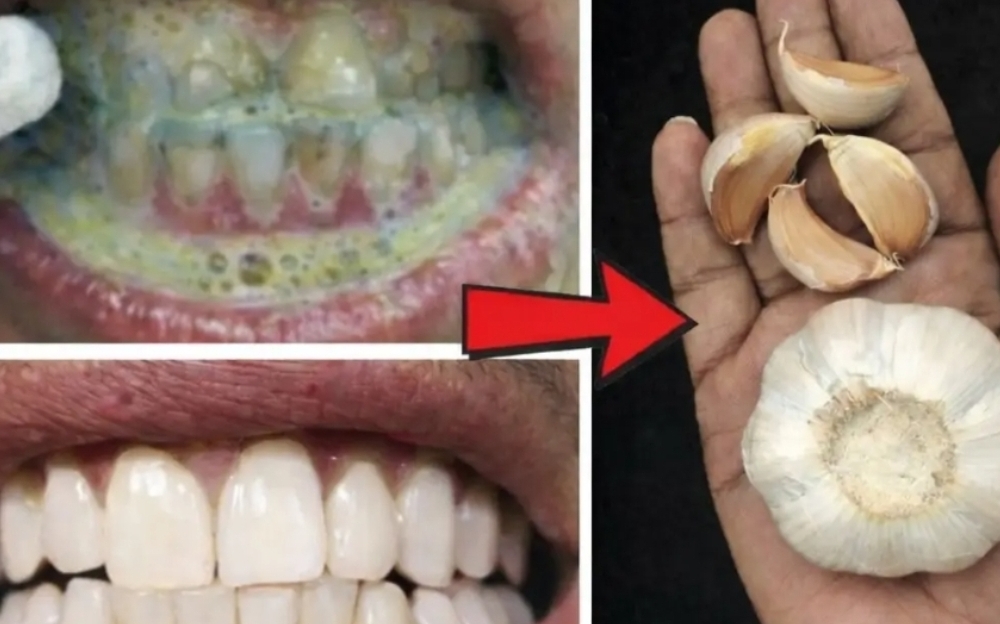
 Unlock the Natural Power of Garlic for a Healthier Smile
Tartar buildup, stubborn plaque, and gum discomfort can make even a bright smile feel less healthy—especially with age. When brushing and flossing don’t seem enough, many people look for gentle, natural ways to support oral hygiene.
One surprising option? Garlic. This everyday kitchen ingredient contains allicin, a compound with antimicrobial properties that may help reduce harmful oral bacteria.
 Why Garlic Can Support Oral Health
Garlic (from the plant Allium sativum) releases allicin when crushed. This compound has been studied for its ability to fight bacteria linked to:
- Plaque buildup
- Tartar formation
- Gum irritation
Garlic also has mild anti-inflammatory properties, which may help soothe sensitive gums.
Important: While helpful, garlic is not a replacement for proper dental care.
 What Science Suggests
Research highlights several potential benefits:
- Antibacterial effects
Allicin may inhibit harmful bacteria like Streptococcus mutans (linked to cavities) and Porphyromonas gingivalis (associated with gum disease). - Plaque control support
By reducing bacteria, garlic may help limit new plaque formation. - Gum comfort
Its anti-inflammatory properties may ease minor irritation. - Breath support (in some forms)
Certain garlic extracts may help balance oral bacteria when used correctly.
 How to Use Garlic Safely
Start gently and monitor how your mouth reacts.
Method 1: Garlic Paste (Targeted Use)
- Crush 1 fresh garlic clove
- (Optional) Mix with a pinch of salt
- Apply a small amount to teeth or gums
- Leave for 1–2 minutes
- Rinse thoroughly
Use: 2–3 times per week
Method 2: Garlic Mouth Rinse (Milder Option)
- Mince 1–2 garlic cloves
- Steep in warm water (5–10 minutes)
- Strain the liquid
- Swish for 30–60 seconds
- Spit and rinse with water
Use: Can be used daily if well tolerated
 Comparison with Standard Oral Care
| Method | Time Needed | Key Benefit | Best For |
|---|---|---|---|
| Garlic Paste | 2–3 min | Targeted bacteria reduction | Spot treatment |
| Garlic Mouth Rinse | 1–2 min | Whole-mouth freshness | Daily support |
| Brushing & Flossing | 2 min | Removes plaque mechanically | Essential routine |
| Professional Cleaning | 30–60 min | Removes hardened tartar | Deep cleaning |
 How to Reduce Garlic Breath
Garlic odor doesn’t have to linger. Try:
- Chewing parsley or mint leaves
- Eating a fresh apple
- Rinsing with diluted apple cider vinegar
These can help neutralize sulfur compounds responsible for the smell.
 Safety Tips
- Do a patch test before full use
- Avoid use on open sores or damaged gums
- Stop if you feel burning or irritation
- Use gently if you have sensitive teeth or gums
 When to See a Dentist
Garlic can support oral hygiene, but it cannot:
- Remove hardened tartar
- Treat gum disease
- Replace professional cleaning
Regular dental visits remain essential for long-term oral health.
 Final Thoughts
Garlic offers a simple, natural way to support oral hygiene thanks to its antimicrobial properties. When used carefully, it may help maintain a cleaner, fresher mouth.
For best results, combine it with:
- Daily brushing and flossing
- A balanced diet
- Regular dental check-ups
 Frequently Asked Questions
1. Can garlic whiten teeth?
Not directly. By reducing plaque, it may help teeth appear cleaner over time.
2. How often should I use it?
2–3 times weekly for paste, or daily for a mild rinse—depending on tolerance.
3. Can it replace brushing or dentist visits?
No. It’s only a supplement to proper oral care.
Disclaimer
This content is for informational purposes only and not medical advice. Always consult a dental professional before trying new remedies, especially if you have existing oral health conditions.