
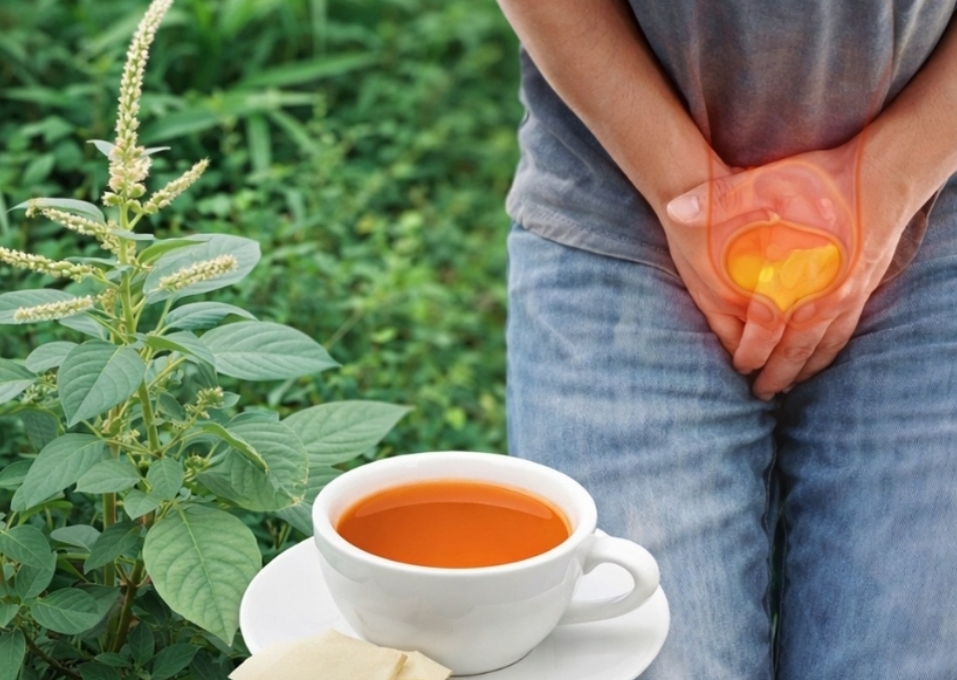
 Herbs & Foods for Benign Prostatic Hyperplasia (BPH): What’s Actually Supported?
Benign prostatic hyperplasia (BPH) — non-cancerous enlargement of the prostate — is extremely common with aging. By age 60, about half of men have some symptoms; by their 80s, most do.
Before diving into herbs, here’s something important:
BPH is driven mainly by age-related hormonal changes (especially DHT) and tissue growth — not simply “estrogen overload” or inflammation alone.
Many natural compounds may support symptom relief, but very few shrink the prostate significantly.
Let’s go through the options realistically.
 Most Studied Herbal Options
 Saw Palmetto
Serenoa repens
This is the most researched herb for BPH.
Evidence:
- Mixed results in large trials
- Some men report mild improvement in urinary symptoms
- Generally safe
It may work by mildly affecting DHT metabolism — but effects are modest.
 Stinging Nettle Root
Urtica dioica
Often combined with saw palmetto.
Evidence:
- Some European studies show symptom improvement
- May support urinary flow and reduce residual urine sensation
Best used as standardized extract rather than tea alone.
 Pumpkin Seeds
Cucurbita pepo
Contain beta-sitosterol, a plant sterol studied for urinary symptom relief.
Evidence:
- Beta-sitosterol has shown improvement in urinary flow and symptom scores in clinical trials
- Whole seeds may help, but extracts provide consistent dosing
This is one of the more evidence-supported natural options.
 Lycopene (Tomatoes)
Solanum lycopersicum
Lycopene is an antioxidant concentrated in cooked tomatoes.
Evidence:
- Some observational research links lycopene intake to prostate health
- May support long-term prostate tissue health
- Not a fast-acting symptom reliever
Cooking tomatoes increases lycopene absorption.
Foods & Herbs With Limited or Indirect Evidence
Cruciferous Vegetables
Brassica oleracea
Broccoli, Brussels sprouts, cauliflower contain sulforaphane.
Good for:
- Hormone metabolism support
- General anti-inflammatory benefits
But:
- No strong evidence they reverse BPH symptoms directly.
White Button Mushrooms
Agaricus bisporus
Lab studies suggest possible aromatase effects.
However:
- Human BPH data is limited
- No strong clinical proof for urinary symptom relief
Passionflower
Passiflora incarnata
Primarily used for:
- Anxiety
- Sleep support
It may indirectly help if stress worsens symptoms, but it does not treat prostate enlargement itself.
Moringa
Moringa oleifera
Has anti-inflammatory properties in lab studies.
But:
- No strong human clinical evidence for BPH treatment.
 What Actually Works Best (Evidence-Based)
For moderate to severe BPH, standard treatments include:
- Alpha-blockers (improve urinary flow)
- 5-alpha-reductase inhibitors (reduce DHT)
- Combination therapy
- Minimally invasive procedures if needed
Natural approaches may help mild symptoms, but they are not replacements for medical evaluation.
 The Real Root Causes of BPH
- DHT (dihydrotestosterone) activity
- Age-related tissue growth
- Chronic low-grade inflammation
- Metabolic syndrome / insulin resistance
- Obesity
So lifestyle matters more than stacking 15 herbs.
 Practical, Realistic Natural Strategy
If someone wants a conservative, lower-risk natural plan:
 Maintain healthy weight
Reduce refined carbs (improves insulin balance)
Exercise regularly (especially resistance training)
Prioritize sleep
Limit evening fluids (for nocturia)
Consider beta-sitosterol or saw palmetto (after doctor discussion)
Start simple. More is not better.
 When to See a Doctor Immediately
Seek medical care if you experience:
- Inability to urinate
- Blood in urine
- Recurrent urinary infections
- Severe bladder pain
- Rapid worsening symptoms
Also: Always rule out prostate cancer with appropriate screening.
 Bottom Line
Some herbs — particularly saw palmetto, beta-sitosterol (pumpkin seed), and nettle root — may offer modest symptom support for mild BPH.
Many other herbs listed online:
- Have promising lab data
- Lack strong human clinical trials
- Should not replace medical treatment
Natural strategies work best when:
- Symptoms are mild
- Used consistently
- Combined with lifestyle improvements
- Monitored by a healthcare provider