
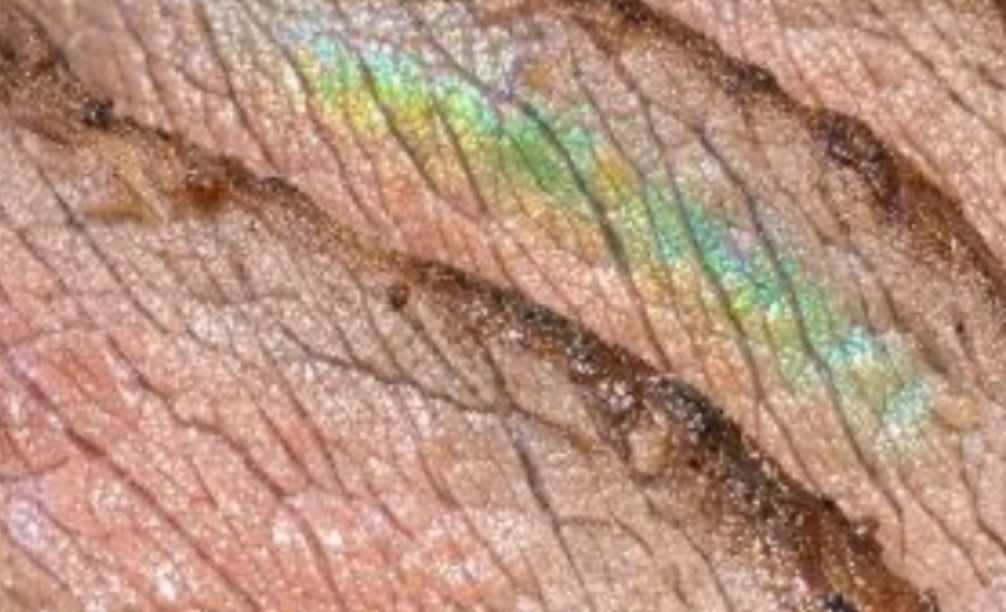
Have you ever sliced into a piece of roast beef only to be greeted by an unexpected rainbow shimmer on its surface? This phenomenon can be quite alarming, especially if you’re concerned about the safety of your meal. The iridescent sheen might remind you of oil slicks or metallic surfaces, leaving you to wonder if your beef has spoiled or if it’s just an innocuous quirk of the meat.
Rest assured, this shiny appearance is not uncommon and is usually safe. However, understanding what causes this effect will help you determine whether your roast beef is still good to eat or if it should be discarded. Let’s delve into the reasons behind this iridescence and how to ensure your beef remains safe and enjoyable.
1. What That Rainbow Sheen on Your Roast Beef Really Is
The rainbow sheen you see on your roast beef is primarily due to the structure of the meat itself. When light hits the surface of the beef, it can split into various colors, much like a prism. This effect is known as iridescence and occurs when light waves are refracted in different directions by the muscle fibers in the meat.
These muscle fibers, along with the natural fat and moisture content, create an optical effect that can sometimes produce a spectrum of colors. This is particularly noticeable on cooked meats like roast beef and can vary depending on how the meat was sliced, the angle of light, and even the lighting conditions in your kitchen.
2. The Science of Iridescence: How Light Hits Muscle Fibers
Iridescence is a result of the physical structure of the meat. Muscle fibers are aligned in a way that can diffract light, causing the different wavelengths to spread out and create a rainbow effect. The phenomenon is similar to what you see in soap bubbles or oil slicks on water.
When the beef is cooked, the proteins within the muscle fibers coagulate and can create microscopic ridges. These ridges act like a diffraction grating, splitting the incoming light into its component colors. The specific colors you see depend on the angle of the fibers and the light, as well as the thickness of the meat’s cut.
3. When Rainbow Colors on Meat Are Totally Normal
In most cases, seeing a rainbow shimmer on your roast beef is completely normal and safe. This effect is more noticeable in deli meats or thinly sliced leftovers because the light can penetrate and refract more easily. It’s a common occurrence in roast beef, turkey, and even ham.
As long as the meat has been stored properly and shows no other signs of spoilage, such as an off smell or discoloration, the iridescence is just a natural characteristic of the meat’s structure. It doesn’t indicate any chemical additives or spoilage; it’s purely a physical phenomenon.
4. Visual Red Flags: Signs the Beef Actually Is Spoiled
While iridescence is normal, there are other visual cues to watch for when determining if your roast beef is spoiled. A change in color, such as a grayish or greenish hue, can indicate spoilage. Additionally, any mold growth or slimy texture on the surface of the meat is a clear sign that it should not be consumed.
Beef that has been improperly stored or kept beyond its safe consumption window may also exhibit these signs. Always inspect the meat thoroughly before deciding to eat it, especially if it’s been in the fridge for several days.
5. The Smell and Touch Test: Simple Ways to Check Safety
Beyond visual inspection, using your senses of smell and touch can be effective in determining if your roast beef is safe to eat. Fresh beef should have a mild, meaty aroma. If the beef smells sour, rancid, or off in any way, it’s best to err on the side of caution and discard it.
The texture of the beef can also provide clues. Fresh roast beef should feel firm to the touch. If it feels slimy or sticky, these are indicators of bacterial growth, and the meat should not be consumed.
6. How Storage Time and Temperature Affect Roast Beef Quality
Proper storage is crucial in maintaining the quality and safety of your roast beef. When cooked, roast beef should be refrigerated within two hours and kept at a temperature below 40°F (4°C). This helps prevent bacterial growth that can lead to spoilage.
In general, cooked roast beef can be stored in the refrigerator for 3 to 5 days. If you plan to keep it longer, consider freezing it, which can preserve its quality for up to 2 to 3 months. Always use airtight containers or vacuum-sealed bags to minimize exposure to air and moisture.
7. Raw vs. Cooked: Why Deli Slices and Leftovers Look Different
The difference in appearance between raw and cooked meat, particularly deli slices and leftovers, is due to the changes that occur during the cooking process. Cooking alters the proteins and moisture content of the beef, which can enhance the iridescent effect.
Deli slices are often cut very thin, which also contributes to their shiny appearance because the light can more easily penetrate and refract within the meat. Pre-packaged deli meats may also contain curing agents and preservatives that can influence their color and sheen.
8. Packaging, Curing, and Additives: Do They Change the Shimmer?
The way meat is packaged and any curing or additives it contains can also impact its appearance. Vacuum-sealed packaging reduces exposure to air and can help maintain the meat’s natural color and moisture. However, curing agents like nitrates and nitrites used in some deli meats can enhance the pink color and might also affect the iridescence.
These additives are safe and commonly used to extend the shelf life of meats, but they can sometimes alter the visual characteristics of the product. It’s important to read labels and be aware of what has been added to your meat if you’re concerned about these effects.
9. When to Toss It: Clear Situations Where You Should Not Eat It
There are certain situations where you should not eat the roast beef, regardless of its iridescence. If the beef has been left out at room temperature for more than two hours, it should be discarded. Similarly, if it has been stored in a refrigerator for more than five days, it’s better to toss it.
Any signs of mold, unusual smells, or slimy texture are definitive red flags. When in doubt, trust your instincts and prioritize safety over salvaging potentially spoiled meat.
10. How to Minimize the Rainbow Effect If It Freaks You Out
If the rainbow effect on your roast beef is unsettling, there are a few steps you can take to minimize it. Slicing the meat against the grain can help reduce the angle at which light is refracted. Additionally, keeping the meat out of direct light when serving can make the iridescence less noticeable.
Serving the beef with sauces or gravies can also mask the sheen. These solutions won’t eliminate the iridescence but will make it less apparent to those who might find it off-putting.
11. What Food Safety Experts Say About Eating Iridescent Beef
Food safety experts generally agree that the iridescent sheen on roast beef is not a concern in terms of food safety. The USDA confirms that this is a natural occurrence in meat and does not indicate spoilage or contamination.
However, experts emphasize the importance of proper storage and handling to ensure the beef remains safe to eat. Adhering to recommended storage times and conditions is key to preventing foodborne illnesses, and any doubts about the meat’s safety should lead to its disposal rather than consumption.